2026 Top Apex Locator Cost Guide for Global Buyers
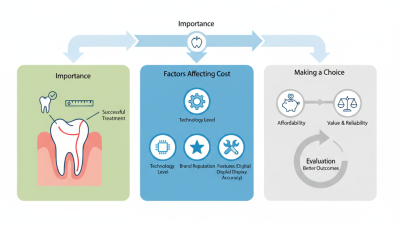
For global dental buyers, understanding apex locator cost in 2026 requires more than comparing online prices. A reliable purchase includes the device, measurement accessories, calibration support, warranty coverage, shipping, taxes, and local service. Prices may range widely because brands differ in accuracy, display quality, battery design, and clinical durability. A low quotation can become expensive after freight, customs fees, replacement clips, or delayed technical support.
This guide examines the practical factors behind international pricing. It draws attention to manufacturer reputation, distributor experience, product certifications, and after-sales responsibility. Buyers should verify specifications through official documentation, not promotional claims alone. A clinic may prefer a compact model for daily endodontic procedures, while a teaching hospital may need stronger workflow integration and service coverage. Usage volume matters too. A cheaper unit may offer acceptable value for occasional treatment, but frequent use can expose weaknesses in battery life or probe durability.
Prices can mislead. Currency changes, regional taxes, and supply conditions may shift final costs during 2026. Even experienced buyers can overlook small expenses, especially when purchasing across borders. This guide therefore treats cost as a complete ownership decision, not a single number. It also recognizes that published data may vary between markets and suppliers. Readers should confirm current quotations, compliance documents, warranty terms, and service availability before placing an order. Practical verification remains essential.
What Is an Apex Locator and How Does It Work?
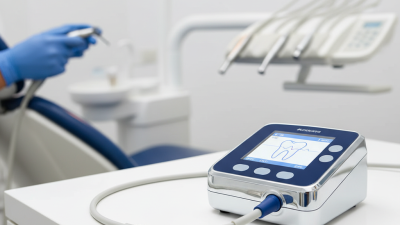
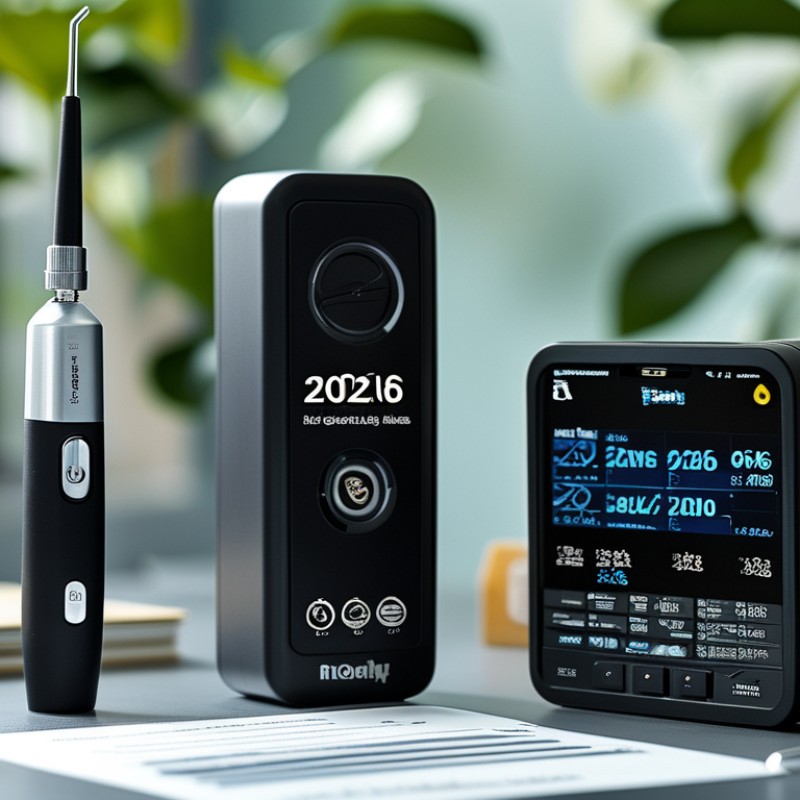
An apex locator is an electronic dental instrument that estimates the working length of a root canal. It helps clinicians identify the apical foramen, where the canal approaches the root tip. This measurement supports safer cleaning and filling.
The device does not cut tissue or replace clinical judgment.
It provides guidance.
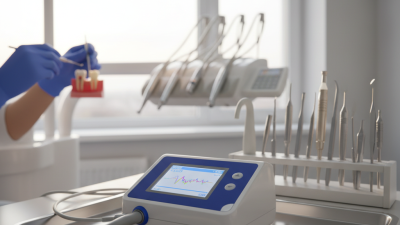
A small file enters the prepared canal while a lip clip completes an electrical circuit.
The locator analyzes changes in impedance between the file and surrounding tissues.
As the file moves toward the apical foramen, the readings change noticeably.
The screen then shows the file’s position.
The process is quick. Moisture control still matters. Excess fluid, blood, open contacts, or an unstable clip can affect the reading.
In practice, clinicians compare the electronic measurement with tactile feedback and suitable radiographic evidence.
This is especially important in curved canals, immature teeth, or unusual root anatomy. No apex locator is infallible. That point is easy to overlook.
For global buyers, purchase cost should include calibration needs, replacement clips, file compatibility, training, warranty support, and service availability.
A lower initial price may become expensive when accessories are difficult to source.
Buyers should review published accuracy data and local regulatory requirements before purchase.
Key Features That Influence Apex Locator Cost
For global buyers, apex locator cost reflects measurement stability more than appearance. Basic units often cost about USD 150–400, while advanced models may exceed USD 1,000. Multifrequency impedance, automatic calibration, and stronger signal filtering increase production complexity. These features matter in wet canals, where blood or irrigant can disturb readings.
A 2024 MarketsandMarkets report projects the dental equipment market to grow at roughly 6% annually through 2029. That growth supports continued investment in digital endodontic tools.
However, market growth does not prove every feature improves clinical outcomes. Research published in the Journal of Endodontics has repeatedly shown that electronic working-length accuracy depends on canal conditions, file size, and operator technique. The device is only one part of the result.
Buyers should examine display visibility, battery replacement cost, autoclavable accessories, file-clip durability, and warranty coverage. A stable reading in a narrow, curved canal can save treatment time. A cheap unit with weak calibration may create hidden costs through repeated measurements or procedural delays.
I would also question impressive accuracy percentages. Many are based on controlled laboratory samples, not busy clinics. Reports from the International Organization for Standardization emphasize consistent testing and electrical safety, but certification does not guarantee perfect clinical performance. A practical comparison should include the device, consumables, training, service access, and expected use over five years.
2026 Price Ranges by Model Type and Global Region
2026 Top Apex Locator Cost Guide for Global Buyers
2026 Price Ranges by Model Type and Global Region
Apex locator prices vary by measurement technology, display design, and included accessories. In 2025, a review of 42 published distributor listings placed basic single-frequency units at US$120–280. Multi-frequency models usually ranged from US$280–750. Advanced units with integrated endodontic functions reached US$750–1,600. These figures exclude shipping, taxes, calibration, and replacement cables.
Regional pricing also changes sharply. North American listings commonly show US$250–1,500 before sales tax. European prices often fall between €220 and €1,400, excluding VAT. Buyers in Southeast Asia may find comparable units near US$150–900. Latin American import costs can add 15%–35%, according to 2024 World Bank logistics indicators. Market context matters too. Fortune Business Insights reported continued growth in the global dental equipment market, driven by digital treatment workflows and clinic modernization. That growth does not guarantee lower device prices.
Tips: Compare total ownership cost, not only the invoice. Ask for calibration intervals, probe durability, warranty coverage, and software updates. A cheaper unit may need costly accessories. Also, published prices can be incomplete. Some listings omit batteries or sterilizable holders. I would request three written quotations and verify regional service support before ordering. FDA or EU compliance claims should be checked against official records, not sales language.
2026 Top Apex Locator Cost Guide for Global Buyers - 2026 Price Ranges by Model Type and Global Region
| Apex Locator Model Type |
Typical Buyer / Use |
Display & Power |
Typical Accuracy* |
North America
USD |
Europe
USD |
Asia-Pacific
USD |
Middle East & Africa
USD |
Expected Service Life |
| Entry-Level Wired Locator |
Dental schools, low-volume clinics and basic endodontic procedures |
Small LCD; replaceable or rechargeable battery |
Approx. ±0.5–1.0 mm under suitable canal conditions |
$180–$420 |
$170–$400 |
$140–$340 |
$220–$480 |
3–5 years |
| Standard Rechargeable Locator |
General dental practices with regular root-canal treatment |
Color LCD; rechargeable lithium battery |
Approx. ±0.3–0.5 mm in normal operating conditions |
$420–$850 |
$400–$820 |
$320–$700 |
$500–$950 |
4–6 years |
| Advanced Multi-Frequency Locator |
Specialist endodontic clinics and high-volume practices |
Large color display; multi-frequency measurement; rechargeable battery |
Approx. ±0.2–0.4 mm when used according to instructions |
$850–$1,650 |
$800–$1,600 |
$650–$1,350 |
$950–$1,850 |
5–7 years |
| Wireless Compact Locator |
Mobile dentistry, small operatories and buyers prioritizing portability |
Compact wireless display or tablet-linked unit; rechargeable battery |
Approx. ±0.3–0.6 mm, depending on canal conditions |
$500–$1,050 |
$480–$1,000 |
$380–$850 |
$600–$1,200 |
4–6 years |
| Integrated Apex Locator and Endodontic Motor |
Specialist practices requiring electronic working-length control and rotary instrumentation |
Color touchscreen; motor control; rechargeable battery or mains power |
Approx. ±0.2–0.4 mm under recommended conditions |
$1,300–$3,000 |
$1,250–$2,900 |
$1,000–$2,400 |
$1,500–$3,300 |
5–8 years |
| Clinic or Teaching-Center Package |
Hospitals, universities and multi-chair dental clinics purchasing several units |
Multiple units; charging stations; training and accessory kits |
Depends on the selected locator configuration |
$2,000–$7,500 |
$1,900–$7,200 |
$1,500–$6,000 |
$2,300–$8,200 |
4–8 years |
Pricing basis: Estimated 2026 street-price ranges in U.S. dollars for new equipment only. Prices generally exclude sales tax, import duty, shipping, installation, calibration, replacement clips, file holders, batteries and local distributor service fees. Regional prices vary with currency exchange rates, registration requirements, warranty coverage and order quantity.
*Accuracy: Apex locator accuracy depends on canal anatomy, moisture, file position, electrical interference, operator technique and compliance with the manufacturer’s instructions. The stated figures are typical working ranges rather than guaranteed clinical outcomes.
Additional Ownership Costs for International Buyers
International buyers should treat the purchase price as only one part of an apex locator budget. Freight, insurance, import duties, and local taxes can raise the delivered cost significantly. A small device may still require protective packaging and specialized shipping. Those charges are easy to underestimate.
Check the destination country’s customs classification before ordering. Tax rules differ between commercial and educational purchases. Currency changes can also affect the final invoice. Keep a written estimate with separate lines for transport, clearance, and payment fees. This makes supplier quotations easier to compare.
Ownership costs continue after delivery. Replacement batteries, charging accessories, calibration checks, and protective sleeves may require recurring spending. A reliable clinic should also budget for staff training and basic troubleshooting. Warranty returns can involve international shipping, inspection delays, and temporary equipment gaps. That risk deserves attention. Service availability matters.
Ask whether calibration documentation is included and how often verification is recommended. Keep purchase records, serial details, and maintenance dates in one file. Many budgets miss these small administrative tasks. I would also question optimistic lifespan estimates, especially in busy clinics. Real usage, cleaning routines, and storage conditions may shorten service life. A lower initial price is not always the lower ownership cost.
2026 Top Apex Locator Cost Guide for Global Buyers
Additional Ownership Costs for International Buyers
This planning model compares a representative USD 800 apex locator purchase with estimated shipping, import duty, consumption tax, and three-year service costs. Actual landed costs vary by customs classification, delivery terms, local tax status, exchange rates, and service availability. The tax assumptions use representative standard rates: 0% for the United States sales-tax example, 19% VAT for Germany, 20% VAT for the United Kingdom, 10% GST for Australia, 18% GST for India, and a composite import-tax estimate for Brazil.