Top Ankle Brace With Straps for Support and Stability?
Choosing a Top Ankle Brace With Straps for Support and Stability? The right option should feel secure without making every step feel stiff. An Ankle Brace With Straps can offer adjustable compression around the joint, which may help during activity or recovery. But a brace is not a cure, and a snug fit is not automatically a better fit.
Sports-medicine physician Dr. David Geier’s guidance can be paraphrased this way: a brace may support an ankle, but it does not replace rehabilitation. That distinction matters. A useful brace should stay in place as you walk, allow comfortable movement, and fit inside the footwear you actually wear. Check the strap layout, material, and sizing instructions. If the edges dig into your skin or your toes feel numb, loosen or remove it. Fit matters.
This guide looks at practical features, including strap adjustability, comfort, and stability during everyday movement. It also considers when professional advice may be sensible, especially after a significant injury or when pain persists. A brace can feel reassuring, but it cannot tell you whether an injury needs assessment. Small details matter. Even a well-reviewed design may rub, feel bulky, or fail to suit your shoe. That is worth admitting: choosing the “best” brace is personal, and product descriptions cannot predict how it will feel on your ankle.
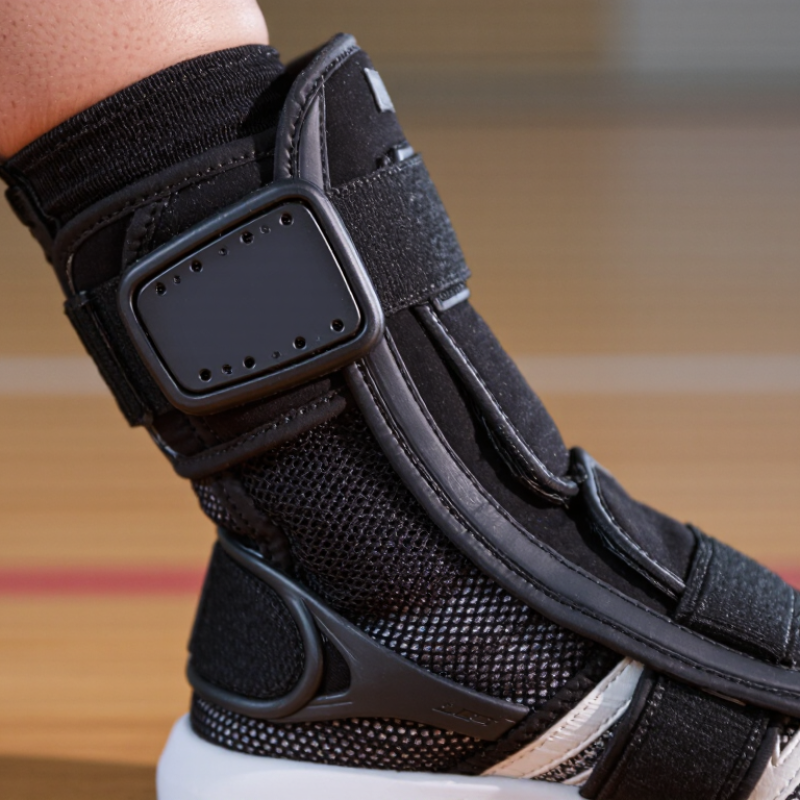
How Strap-Based Ankle Braces Provide Support and Stability
Strap-based ankle braces support the joint by limiting excessive side-to-side movement while still allowing some normal motion. Many designs use crossing straps that wrap around the ankle and under the foot, creating a figure-eight pattern. When adjusted evenly, these straps can help the brace feel secure during walking, court sports, or uneven-ground activities. The support comes partly from the brace’s structure and partly from the snug, adjustable fit. Small details matter.
A brace should feel firm, not painfully tight. If your toes become numb, cold, or unusually pale, loosen it and check the fit. Straps that are too loose may shift; straps pulled too hard can cause discomfort and restrict circulation. Put the brace on while seated, then stand and take a few steps to see whether it stays in place. That simple test is useful, though it is not a perfect measure of support.
Strap braces can offer extra confidence after an ankle injury, but they do not repair damaged tissue or replace rehabilitation. The right level of support depends on the injury, activity, and individual fit. I would not assume that a more rigid brace is always better. Persistent pain, swelling, or a sense that the ankle keeps giving way deserves assessment by a qualified health professional.
Top Ankle Brace With Straps for Support and Stability
How strap-based ankle braces provide support and stability
Strap-based braces can help limit excessive ankle rolling while allowing functional up-and-down movement. These bars show commonly cited approximate ankle range-of-motion reference values—not measurements of brace performance. Individual values vary by person and measurement method.
Key Design Features of Ankle Braces With Straps
A supportive ankle brace depends on more than tight straps. Look for a heel opening that keeps the foot positioned without rubbing the back of the ankle. Adjustable straps should cross the joint securely and allow even tension. A figure-eight pattern can limit unwanted rolling while leaving the toes free. Small details matter.
The material and structure affect daily comfort. Breathable fabric can feel less clammy during a long walk, while reinforced side panels may add support around the ankle. Flexible stays are often easier to wear inside a shoe than bulky rigid parts. Check the brace with the footwear you actually use; a design that fits on the sofa may press uncomfortably once you start moving. Fit can be fussy.
Straps should feel snug, not numb or sharply tight. After fastening, check that your toes remain warm and normally colored, and loosen the brace if tingling or increased pain develops. A brace should not replace assessment for a serious or persistent injury. Its support level, sizing, and wear time may need guidance from a qualified health professional. One honest drawback: extra straps can take patience to adjust, especially when swelling changes through the day.
Common Uses and Support Levels
An ankle brace with straps can help manage mild instability, a recent sprain, or a return to court sports. The National Athletic Trainers’ Association’s ankle sprain position statement reports that sprains account for roughly 10–30% of sports injuries. The exact share varies by sport and study. A soft sleeve offers light compression, but little resistance to ankle rolling. Lace-up braces add adjustable pressure around the joint. Their straps can create a figure-eight pattern, helping limit inward or outward movement during quick cuts.
More support is not always better. A lace-up brace may suit recurring sprains or training on uneven ground; a rigid stirrup brace restricts side-to-side motion more. The 2021 Journal of Orthopaedic & Sports Physical Therapy clinical practice guideline supports external bracing alongside progressive weight bearing and rehabilitation exercises for acute ankle sprains. Fit matters. The brace should feel snug, not numb or painfully tight, and straps should not dig into the skin. A brace cannot restore strength or balance by itself. That part is easy to overlook. If swelling, pain, or a sense of giving way persists, a clinician can assess the injury and help select an appropriate support level.
Top Ankle Brace With Straps for Support and Stability? - Common Uses and Support Levels
| Common Use | Typical Support Level | How Straps Help | Common Brace Features | Practical Considerations |
| Extra support during walking or everyday activity | Mild to moderate | Adjustable straps add compression and help the brace feel secure around the ankle. | Elastic or fabric sleeve with crossing straps; usually flexible enough for comfortable movement. | Check that the brace fits inside usual footwear and does not cause numbness, tingling, or increased discomfort. |
| Returning to sport after a previous ankle sprain | Moderate | Cross-over or figure-eight straps can limit excessive side-to-side ankle movement while allowing some motion. | Lace-up design with adjustable straps; some models include reinforced side panels. | A brace is only one part of return-to-sport preparation. Strength, balance, mobility, and gradual activity progression also matter. |
| Recurring ankle instability during exercise | Moderate to firm | Straps provide adjustable hold and may help reduce unwanted ankle movement during activity. | More structured lace-up brace, often with wider straps and supportive side panels. | Persistent giving-way or repeated sprains should be assessed by a qualified healthcare professional. |
| Mild swelling or a need for gentle compression | Mild | Straps allow the wearer to adjust how snugly the brace sits over the ankle. | Soft, breathable fabric with light compression and low-profile straps. | Do not tighten straps enough to restrict circulation. Follow clinical advice if swelling is sudden, severe, or worsening. |
| Support when a clinician recommends limiting ankle motion | Moderate to high, depending on design | Straps help secure a more structured brace and keep it positioned during movement. | May include firm side supports or a stirrup-style shell in addition to straps. | Support varies considerably by design. Use a more restrictive brace only as directed by a healthcare professional. |
General note: Support levels are relative and vary by brace design, fit, and strap adjustment. An ankle brace does not diagnose or treat an injury. Seek professional advice for severe pain, inability to bear weight, significant swelling, or symptoms that do not improve.
How to Choose the Right Brace for Your Needs
Choosing an ankle brace with straps starts with the problem you want it to address. For mild support during walking or sport, a flexible brace may allow more movement. After a sprain, a sturdier design with adjustable cross-straps can limit side-to-side motion. More support is not always better; a brace that feels restrictive may alter your stride or irritate the skin.
Check the fit while seated, then stand and take a few steps. The brace should feel snug, not numb or painfully tight. Straps should lie flat, and your heel should stay in place inside the shoe. Bring the shoe you plan to wear when comparing options, since bulky braces may not fit every pair. Small details matter.
Consider how easy it is to put on, especially if swelling or limited hand movement is an issue. Look for breathable material and closures you can adjust as swelling changes. A brace cannot diagnose or treat every cause of ankle pain. If pain is severe, swelling is increasing, or walking remains difficult, seek advice from a qualified healthcare professional. Even a careful choice may need adjustment after a few days.
Proper Fit, Wearing, and Care Instructions
Choose a brace that feels snug, not tight. Sit down and place your heel fully in the heel cup before fastening the straps. The fabric should lie flat, without wrinkles pressing into your skin. Wrap the straps evenly, using steady tension across the ankle. Your toes should stay warm and their color should look normal. A little support is expected; numbness, tingling, or increasing pain is not. Loosen or remove the brace if these occur. Fit can take a few tries, and my first adjustment is not always the best one.
Wear the brace over a thin, dry sock to reduce rubbing. Check your skin after the first short period of use, especially around the ankle bones and strap edges. Follow the product’s care label; many braces need gentle hand washing and air drying. Avoid high heat, which can weaken elastic or distort supportive materials. Let the brace dry completely before wearing it again. If straps stretch, seams split, or the brace no longer stays in place, ask a qualified clinician about fit or replacement.
Tips: Tighten straps while seated, then stand and take a few steps. Recheck comfort before longer activity. Keep the brace clean and dry. Stop if irritation persists.
