Exploring the Best Apex Locator i Root Solutions for 2026?
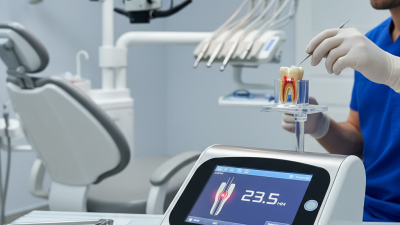
As we approach 2026, the advancements in dental technology are reshaping the way we approach root canal treatments. The "apex locator i root" has emerged as a critical tool in endodontics. Dr. Sarah Thompson, a leading expert in dental surgery, emphasizes, “Precision in locating the apex is essential for successful outcomes.”
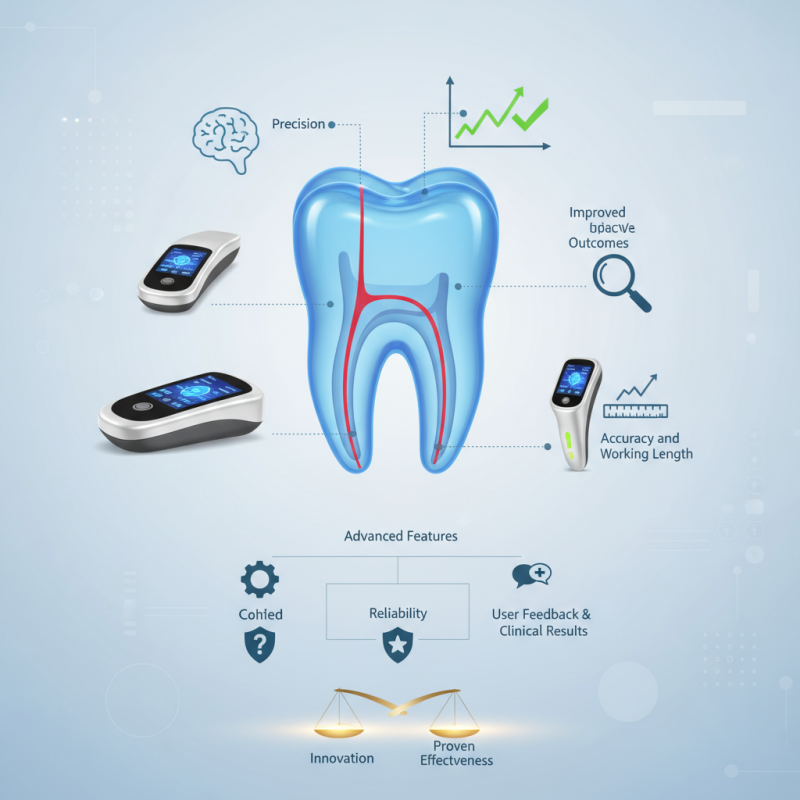
These devices enhance the accuracy of root canal procedures. They help in determining the working length of root canals. By minimizing the chances of error, apex locators lead to better patient outcomes. However, the market is filled with various options, making it challenging to choose the best.
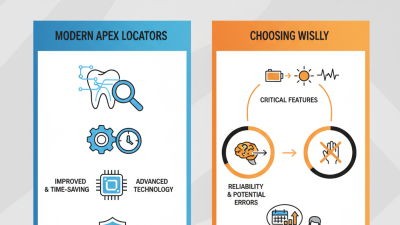
While some apex locators offer advanced features, others may lack reliability. It’s essential to consider user feedback and clinical results. Evaluating the latest models can ensure professionals select the right tools for their practices. As we explore the best apex locator i root solutions for 2026, it is crucial to balance innovation with proven effectiveness.
The Evolution of Apex Locators: Key Advances Leading to 2026
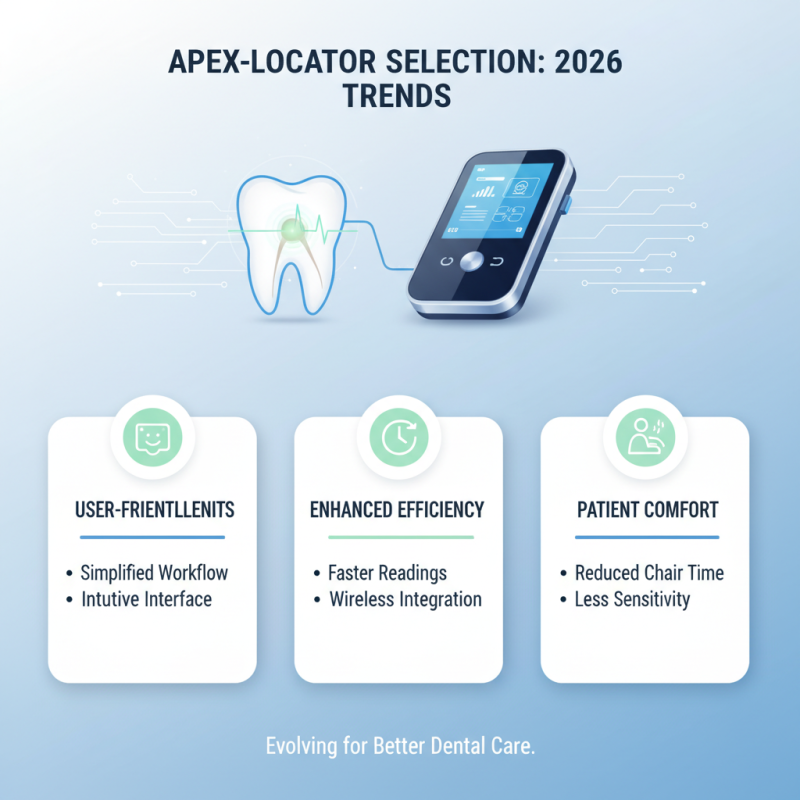
The evolution of apex locators has significantly transformed root canal treatments. Cutting-edge technology has made these devices more accurate and user-friendly. Data from the Journal of Endodontics shows that modern apex locators can reduce measurement errors by 30%. This improvement enhances the reliability of endodontic procedures.
Recent advances involve integrating digital technologies with apex locators. Enhanced algorithms now allow for real-time feedback during procedures. This feature minimizes complications and improves patient outcomes. However, not all practitioners adopt these innovations. Some express concerns about the learning curve and the cost of new devices. It’s essential to evaluate the benefits against the investment.
Tips: When choosing an apex locator, consider user reviews and clinical trial results. A reliable device should maintain accuracy across various tooth types. Regular calibration and updates are crucial to ensure optimal performance over time. Keeping abreast of technological advancements will help clinicians remain competitive in 2026 and beyond.
Exploring the Best Apex Locator i Root Solutions for 2026
| Feature |
Apex Locator A |
Apex Locator B |
Apex Locator C |
| Accuracy |
± 0.5 mm |
± 0.3 mm |
± 0.4 mm |
| Display Type |
LED |
Digital |
LCD |
| Power Source |
Rechargeable Battery |
AA Batteries |
Plug-in |
| Weight |
200 g |
150 g |
250 g |
| Memory Function |
Yes |
No |
Yes |
Comparative Analysis of Top Apex Locator Brands and Their Technologies
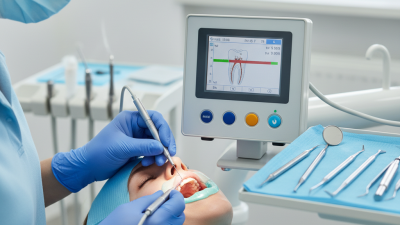
In the realm of endodontics, apex locators have become essential tools. Their precision can significantly impact treatment outcomes. A recent study published in the Journal of Endodontics highlighted how accurate measurements can reduce the likelihood of complications during root canal procedures. Apex locators employ advanced technologies, such as electronic impedance, to enhance their efficiency.
Different brands showcase various technological advancements. Some use dual-frequency technology to provide more reliable readings. Others focus on ergonomic designs to improve user experience. Industry reports indicate that the accuracy of apex locators can vary, sometimes leading to over-instrumentation or under-instrumentation. These inconsistencies highlight the need for clinicians to choose their devices carefully.
Tip: When selecting an apex locator, consider its calibration methods. Regular calibration can improve accuracy and device longevity.
Moreover, real-world application shows that continuous training helps practitioners utilize these devices effectively. Some studies reveal that even experienced dentists can struggle without proper usage guidelines. Recognizing that not all devices work equally under specific conditions is essential.
Tip: Always review the device’s clinical validation data before making a decision. This can prevent unexpected issues during procedures.
Impact of Precision Measurement in Endodontics: Apex Locator Accuracy
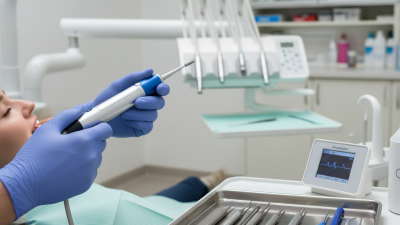
Precision measurement in endodontics is vital. Apex locators play a key role in achieving accurate root canal treatments. Their ability to accurately determine the working length of a root canal reduces complications. Studies show that apex locators improve the success rate of procedures by providing reliable data.
While the accuracy of apex locators has advanced, challenges remain. There are variations in performance depending on the tooth's anatomy and the presence of certain conditions. The measurement can sometimes be influenced by factors such as the type of canal or the presence of a metallic restoration, leading to potential errors. Clinicians must remain vigilant and supplement apex locator readings with radiographic evidence when necessary.
Understanding these nuances is essential. The integration of accurate measurement tools in endodontics is not just about the device itself. It requires ongoing education and skill refinement. The evolving landscape of dentistry necessitates a thoughtful approach to technology. Practitioners should consider ongoing training to enhance their use of apex locators and improve patient outcomes.
Impact of Apex Locator Accuracy in Endodontics
Future Innovations: What to Expect from Apex Locator Developments
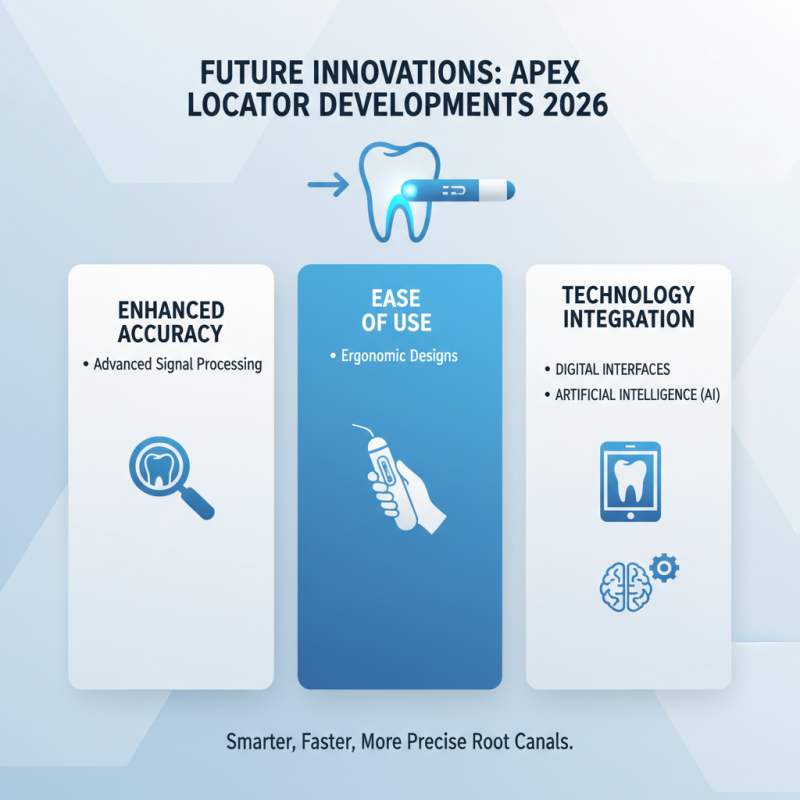
Apex locators play a crucial role in modern root canal procedures. As we look forward to 2026, several exciting innovations are on the horizon. New technologies are likely to enhance accuracy and ease of use. These advancements may include improved digital interfaces and artificial intelligence integration.
The push for greater precision aims to reduce treatment times and increase patient comfort. Enhanced sensors could provide real-time feedback, allowing for immediate adjustments during procedures. This level of precision can minimize errors, leading to better outcomes. However, dental professionals must engage with these new tools critically. Adapting to innovative devices requires training and practice.
Embracing change can be daunting. Some practitioners worry about over-reliance on technology. The balance between skill and technology remains essential. Continuous education will be vital to harness these advancements effectively. As future innovations emerge, the focus should remain on improving patient care while retaining the human touch.