What is the Best Orthodontic Adhesive System for Your Needs?
In the realm of orthodontics, the choice of an Orthodontic Adhesive System is crucial. Dr. Emily Harrison, a leading orthodontic expert, emphasizes, “The right adhesive can make or break a treatment.” Selecting the appropriate adhesive is not merely about strength; it also impacts patient comfort and treatment duration.
Different orthodontic adhesive systems offer varying benefits. For instance, some may provide a stronger initial bond, while others allow for easier bracket removal. Practitioners often face challenges in balancing these factors. The decision can be overwhelming, especially for those new to the field. They must consider both patient needs and material performance.
Understanding how each system fits into clinical practice is essential. An ideal choice enables a seamless orthodontic journey. However, no system is perfect. Each adhesive has its drawbacks and applications. Dental professionals should reflect on their experiences and patient feedback when making this important decision.
Understanding Orthodontic Adhesive Systems: Types and Applications
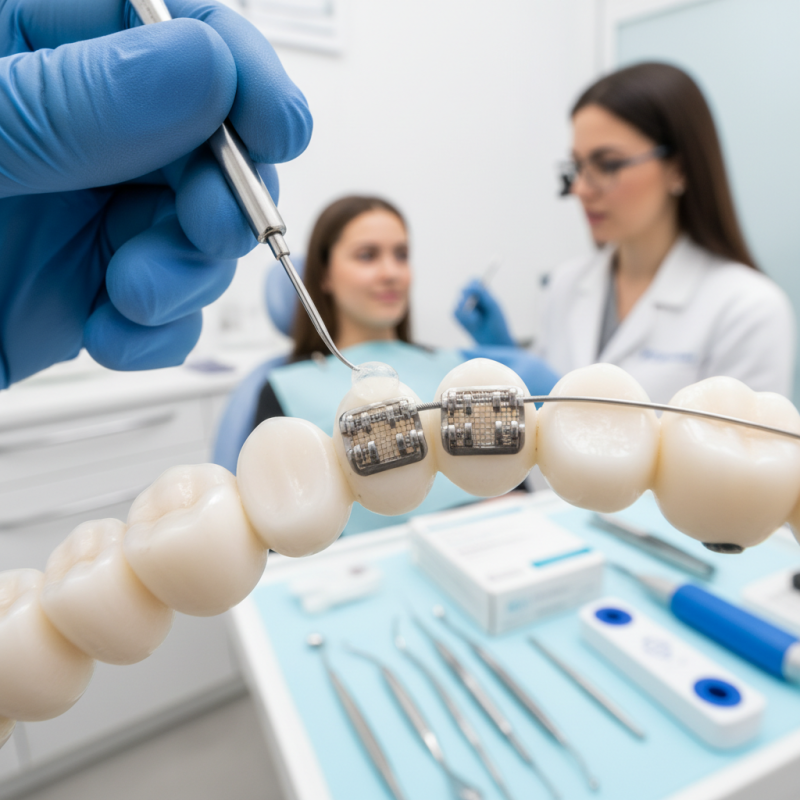
Orthodontic adhesive systems play a crucial role in the success of dental treatments. Understanding the different types of adhesives helps practitioners choose the right one. Common categories include light-cure adhesives, chemical-cure adhesives, and dual-cure adhesives. Each type offers specific benefits suited for various applications. Light-cure adhesives are often favored for their quick setting time, avoiding the extended wait for patients.
Recent studies indicate that light-cure adhesives provide improved bond strength compared to others, measuring up to 10-15 MPa under optimal conditions. However, not all bonding agents perform equally in diverse environments. Introducing moisture can reduce bonding effectiveness, reminding clinicians to prioritize dry surfaces before application. Adhesives should also match the materials used in brackets, ensuring compatibility for successful treatment.
Within orthodontics, about 25% of patients experience bond failures during treatment. This highlights the importance of choosing an appropriate adhesive system. Some systems still struggle with durability under biting forces. Continuous innovation in adhesive technology is needed. Practitioners must evaluate their materials’ effectiveness in real-world treatments. Proper training and understanding of these systems are vital for achieving long-lasting results in orthodontic care.
Key Factors Influencing the Choice of Orthodontic Adhesive Systems
Choosing the right orthodontic adhesive system is crucial for treatment success. Factors such as patient age, type of braces, and oral health significantly impact this decision. For younger patients, a more forgiving adhesive might be necessary. Teens may benefit from stronger adhesives due to their active lifestyles.
The application technique also plays a role. Some systems require precise temperature control. Others may involve specific curing times. Mishaps in these areas can undermine bond strength, leading to discomfort or treatment delays. Not all systems perform equally under varying conditions. Testing different options can lead to unexpected results, sparking reflection on the best choices.
Ultimately, the right adhesive should balance ease of application with effectiveness. It’s a learning process. Continually assessing outcomes can help refine techniques. Outcomes may vary from case to case, necessitating ongoing evaluation and adjustment. Each patient's needs can lead to valuable insights for future treatments.
Comparative Analysis: Ceramic vs. Metal Bracket Adhesive Systems
When choosing between ceramic and metal bracket adhesive systems, it's essential to consider various factors. Ceramic brackets offer aesthetic advantages. They blend well with teeth, making them less noticeable. However, they may not bond as strongly as metal systems. Metal brackets are often preferred for their strength and durability. They are less likely to chip or break during treatment.
Placement and bonding techniques are crucial. Ceramic systems require more care during application to avoid breakage. Metal brackets can be easier to handle, particularly for inexperienced practitioners. Yet, both systems rely on a solid adhesive to ensure effective treatment.
Tips: Always assess your patient’s needs first. Consider the wear and tear they might face. Some patients may prefer the look of ceramics, while others may prioritize strength. Keep in mind that no adhesive is perfect. Regular checks are necessary to ensure brackets remain bonded throughout treatment. Care in selection can make a significant difference in outcomes, affecting both the patient experience and the orthodontic process.
Industry Standards: Testing and Safety Regulations for Adhesive Systems
When it comes to orthodontic adhesive systems, safety regulations and testing standards play a crucial role. These guidelines ensure that products are effective while also protecting patient health. Many adhesive systems undergo rigorous evaluations. They are tested for bonding strength, biocompatibility, and durability. Not all products perform equally, and results can sometimes be inconsistent.
In recent years, there has been an increasing focus on long-term effects. Some adhesives might not provide lasting results. This can lead to complications, such as brackets detaching prematurely. Practitioners need to consider how these factors affect overall treatment outcomes. Awareness of testing standards helps in making informed decisions. However, it is essential for professionals to continually assess and reflect on their choices.
Patients should also be aware of these standards. Understanding the importance of safe materials can empower them. Open discussions with orthodontists about adhesive options are beneficial. Not every system suits every patient, and recognizing this is key to successful orthodontic treatment.
Recent Advances in Orthodontic Adhesive Technology and Their Benefits
Orthodontic adhesive technology has seen significant advancements in recent years. These innovations enhance bonding techniques, contributing to better outcomes for patients. New adhesives offer improved strength and reduced sensitivity to moisture. This adaptability is essential during various stages of orthodontic treatment.
When choosing an adhesive system, consider your specific needs. Each adhesive type serves different purposes. Some may bond well with metal brackets while others excel with ceramic options. Testing different systems can lead to better results.
**Tips:** Always ensure proper cleaning of teeth before application. This can prevent bond failures. Monitor the working time of the adhesive. Some may set too quickly to allow adjustments.
Furthermore, it's crucial to stay updated on material developments. Feeling overwhelmed by choices is common. Keep experimenting until you find what works best for you. The right adhesive can make a real difference in the overall effectiveness of orthodontic treatment.
