How to Choose the Best Food Safety Kits for Your Home?
Choosing the right Food Safety Kits for your home can be daunting. With a variety of options, it’s essential to make informed choices. Dr. Emily Yang, a leading expert in food safety, states, "Investing in the right kits ensures your family stays safe from foodborne illnesses."
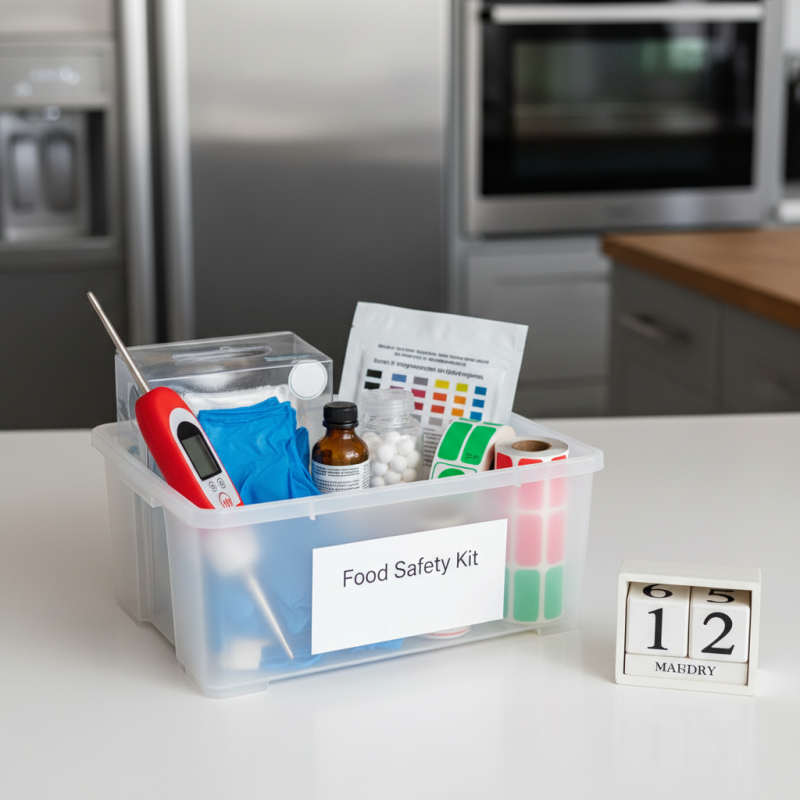
Food Safety Kits vary in contents and quality. Some include thermometers and gloves, while others offer testing strips for pathogens. You might think all kits are the same, but there are notable differences. For instance, the effectiveness of a kit often depends on its properly stored components and how often they are checked.
Many overlook the importance of regular updates and replacements for the items within these kits. An expired item is as good as useless. Reflecting on your family’s usage patterns can help you pick a kit that truly meets your unique needs. Don’t just look at the price. Consider what you need for your home, to ensure safety without compromising quality.
Understanding Food Safety Kits: Importance and Benefits
Food safety kits play a crucial role in keeping your home safe. They provide essential tools and information for preventing foodborne illnesses. When you understand their importance, you are better equipped to protect your family. Proper hygiene and food handling are foundational practices. Yet, many overlook simple measures, leading to risks.
Having a food safety kit can change that. These kits often include thermometers, sanitizer, and storage guidelines. The presence of these items encourages vigilance. For example, using a thermometer can ensure meats are cooked to the correct temperature. This avoids harmful bacteria, yet many still skip this step.
Education is another benefit of food safety kits. They come with pamphlets or instructions. This information may seem basic, but many don’t read it. Ignoring food safety guidelines can have serious consequences. Reflecting on our habits can lead to safer kitchens. Embracing the value of these kits is a step towards a healthier home.
Food Safety Kits Usage in Households
Key Features to Look for in Food Safety Kits for Home Use
When selecting food safety kits for home use, it’s essential to consider several key features. Quality food thermometers are crucial. A study by the USDA found that one in four people do not use them. Accurate readings can prevent foodborne illnesses, which affect millions annually. Look for digital thermometers that provide instant readouts. Simpler tools may lead to errors.
Check for test strips and kits for checking pH levels and sanitizer strength. These tools help maintain safe food environments. Research shows proper sanitization can reduce contamination risks by over 80%. However, many people overlook these indicators. This could lead to unsafe food practices.
Packaging is also vital. Kits should come in disease-resistant materials. Leakage can expose contents to contamination. A survey revealed 40% of households store expired products. Re-evaluating food safety habits may improve overall health. Investing in comprehensive kits can create a safer kitchen environment and foster better practices.
How to Choose the Best Food Safety Kits for Your Home? - Key Features to Look for in Food Safety Kits for Home Use
| Feature | Description | Importance |
| Temperature Control | Includes thermometers to monitor food temperatures. | Ensures food is stored and cooked at safe temperatures. |
| pH Testing | Tools to measure acidity or alkalinity of food. | Prevents growth of harmful bacteria. |
| Sanitation Supplies | Includes sanitizers and wipes for cleaning surfaces. | Reduces risk of cross-contamination. |
| Storage Guidelines | Instructions on proper food storage techniques. | Helps maintain food freshness and safety. |
| Expiration Tracking | Tools for tracking food expiration dates. | Prevents consumption of spoiled food. |
| Instruction Manuals | Comprehensive manuals on food safety practices. | Educates users on maintaining food safety. |
Analyzing Industry Standards: What Makes a Food Safety Kit Reliable?
When choosing a food safety kit, reliability is key. A reliable kit should meet industry standards. According to the Food Safety and Inspection Service, proper food handling minimizes risks. Over 48 million people get sick from foodborne illnesses annually in the U.S. This statistic underscores the need for effective safety measures at home.
Assessing certification is vital. Kits should adhere to guidelines from organizations like the FDA or USDA. These endorsements ensure that products are tested and safe. Yet, not all kits provide clear information on certifications. Some may claim safety without proof, leading to confusion for consumers.
Evaluate the components included in the kits. Essential items like thermometers, sanitizer, and gloves improve safety. However, it's not always clear how to use them. Misguided use of these tools can lead to mistakes. Education on proper food handling is crucial and often overlooked. A quality kit should also include user-friendly instructions. This empowers users to maintain a safe cooking environment.
Cost vs. Value: Assessing Price Points for Quality Food Safety Kits
When choosing food safety kits for your home, it's vital to weigh cost against value. Price points vary significantly, but a higher price does not always equate to better quality. Consider the essential components of a food safety kit: thermometers, storage bags, and cleaning supplies. A basic kit may suffice for occasional cooks, but enthusiasts should invest more.
Tips: Look for kits that offer multi-function tools. They save money and space. Check reviews or testimonials on different components. Don't just rely on marketing claims; real-user experiences matter.
Sometimes, cheaper options lack crucial items. A thermometer might be missing, which is a mistake. Over time, this can lead to foodborne illnesses. Evaluate what you realistically need. It’s not always about quantity, but what works best for you. Compare the features and usability of each kit, as buying blindly may lead to regret.
Popular Food Safety Kits: Reviews and Recommendations from Experts
When it comes to food safety kits, options abound. Selecting the best one requires understanding your needs. Different households have varied cooking habits, which can affect food safety. Some kits focus on cross-contamination prevention. Others emphasize temperature control. Finding the right balance is crucial.
Experts often highlight the importance of easy-to-understand instructions. Clear guidelines ensure effective use of the kit. Some kits come with thermometers or color-changing labels. These tools enhance food safety. Some kits might lack comprehensive information, leading to confusion. It's essential to read reviews before making a decision.
Cost is another critical factor. A higher price does not always guarantee better quality. Some affordable kits provide excellent protection. People sometimes overlook this aspect in search of "premium" products. Evaluating what you truly need can save money and improve safety. Always reflect on your choices. Are you prioritizing convenience over effectiveness?
