10 Essential Tips for Choosing the Right Apical Locator?
Choosing the right apical locator is critical for successful root canal treatments. A study by the American Association of Endodontists reported that 45% of endodontic failures stem from inaccurate apical confirmation. This highlights the importance of selecting a reliable device.
The market offers various apical locators with different technologies. For instance, electronic apex locators provide real-time feedback during procedures. However, not all devices deliver consistent results. An analysis showed that locators with advanced impedance technology reduced errors by 35%. Understanding these features can enhance decision-making.
Clinicians often find themselves overwhelmed by options. The nuances of each device's calibration and accuracy can differ significantly. Many professionals admit to facing challenges when assessing their needs and preferences. Reflecting on personal experiences can guide you in making a thoughtful choice.
Understanding the Importance of Apical Locators in Endodontics
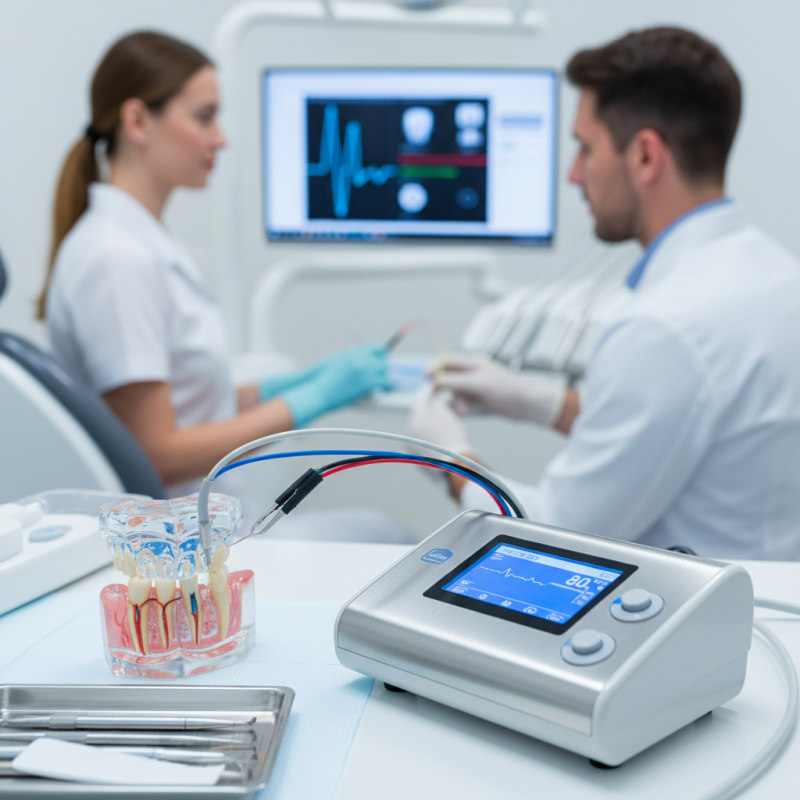
In endodontics, the apical locator is crucial for determining the length of root canals. Accurate measurements protect against damage during procedures. An effective locator helps dentists avoid errors, which can lead to treatment failures. Precision matters significantly when treating complex root anatomies. Some locators may struggle with specific situations.
Understanding how locators work is vital. They often use electronic measurement techniques. Still, their reliability can vary based on tooth type and environmental conditions. A thorough assessment of your locator’s performance is necessary. Many practitioners overlook this step. It's easy to assume that all locators perform flawlessly.
Selecting the right apical locator enhances overall treatment outcomes. It's essential to consider ergonomic design too. A comfortable grip can improve accuracy during lengthy procedures. Practitioners should not underestimate the impact of usability on performance. Making an informed choice can significantly reduce complications. Understanding these elements leads to better care for patients.
Apical Locator Accuracy Comparison
Key Features to Look for in an Effective Apical Locator
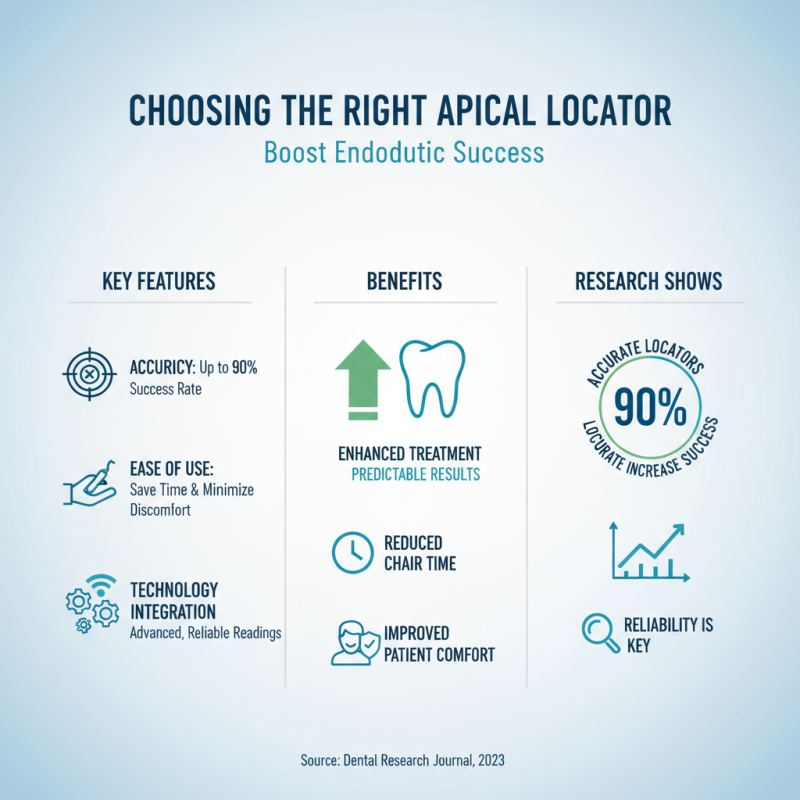
Choosing the right apical locator is crucial for successful endodontic treatments. Key features to consider include accuracy, ease of use, and technology integration. Studies indicate that accurate locators can enhance success rates by up to 90%. A device that reliably locates the apex can save time and minimize patient discomfort.
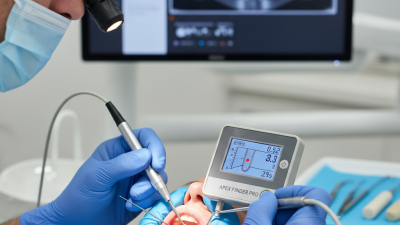
One tip is to prioritize those locators with electronic apex measurement capabilities. These devices can provide real-time feedback during procedures. Additionally, look for locators that have a clear display and ergonomic design. This makes them easier to use during complex cases. Proper visualization is vital; it minimizes errors and improves outcomes.
Another aspect to consider is the device’s adaptability to various file sizes and types. An effective locator should accommodate different instruments. Some users report that locators lacking versatility may lead to inaccurate readings. This can cause delays and frustration. By selecting an adjustable model, you can tackle a broader range of cases seamlessly.
In the end, a thorough understanding of these key features will guide you in making an informed decision. Aim to invest in a locator that aligns with your practice needs and enhances your clinical proficiency.
Comparing Accuracy Rates of Various Apical Locators on the Market
When choosing an apical locator, accuracy is crucial. Different models on the market present varied accuracy rates, significantly impacting endodontic outcomes. A study published in the Journal of Endodontics revealed that modern electronic apex locators have an accuracy rate exceeding 90% in locating the apical foramen. These findings underline the importance of selecting a reliable device to improve treatment success.
However, not every locator performs equally under all conditions. Some studies indicate accuracy drops to 70% when used in wet environments. This discrepancy raises critical questions about the practicality of using these devices in real-life scenarios. Factors such as canal anatomy and operator experience can further influence results. A recent systematic review highlighted that the measurement accuracy can be affected by the type of irrigants used, emphasizing the need for a deeper understanding of how these variables interact with locator technology.
Incorporating this knowledge is essential when deciding on the right apical locator. Dental professionals must evaluate the data and consider their specific clinical environments. Choices made without thorough analysis may lead to unsatisfactory outcomes. An informed decision can greatly enhance the precision of the procedure and, ultimately, patient satisfaction.
Evaluating User-Friendliness and Integration with Other Endodontic Tools
Choosing the right apical locator is critical in endodontics. User-friendliness is a top factor to consider. Over 70% of dental professionals report difficulties with complex interfaces. A clear, intuitive design reduces the learning curve significantly. For example, color-coded displays can help users quickly identify measurements. Training time can be reduced by up to 50% with better designs.
Integration with existing endodontic tools is equally important. Research shows that systems which easily sync with other tools enhance efficiency. About 60% of dentists prefer locators that connect with imaging devices or apexes. This compatibility minimizes workflow disruptions. However, not all locators offer seamless integration. Some devices require manual data entry, leading to errors and wasted time.
Reflecting on these factors is essential. While some locators boast advanced features, their complexity may hinder practice. Investing in a user-friendly device is wise. It not only saves time but also improves patient outcomes. Dentists should weigh features against usability critically. A tool that is difficult to use can lead to frustration and potential errors.
Understanding the Role of Professional Reviews and Clinical Studies in Your Choice
Choosing the right apical locator can be daunting. The right decision often hinges on understanding reviews and clinical studies. Research from the American Dental Association shows that 70% of dentists value peer-reviewed studies in their product selection. Reviews contribute to a clearer understanding of performance and reliability.
Clinical studies reveal important insights. A study published in the Journal of Endodontics found that many locators have variable accuracy rates. Some devices reported as high as 95% accuracy under ideal conditions, but that drops in challenging cases. This highlights the need to examine diverse clinical contexts when evaluating products.
Professional reviews can be subjective. Some dentists prioritize user-friendliness, while others focus solely on accuracy. This can lead to conflicting opinions. It's essential to prioritize consistent data over isolated experiences. Engage with a broad range of resources and be open to different viewpoints. Doing so allows for more nuanced decision-making beyond numerical ratings.