Top Factors Influencing the Cost of Apex Locator in Dentistry?
In the realm of modern dentistry, the cost of apex locator plays a crucial role in treatment planning. Dr. John Smith, a renowned dental expert, once stated, “Investing in quality tools like apex locators saves money in the long run.” This highlights the financial significance associated with these devices, which influence not just expenditures but also the quality of dental care.
Various factors impact the cost of apex locator in the market. Brands, features, and technology advancements can drive prices up or down. Some models come with advanced imaging capabilities, while others focus on essential functionalities. The choice between these can be difficult for practitioners. Higher-priced devices may promise accuracy but not always demonstrate superior performance in clinical settings.
Practitioners also face unexpected costs, such as maintenance and training. These add to the overall cost of apex locator, making it essential for dentists to budget wisely. They must evaluate what suits their practice needs best. This complex landscape requires reflection on both the financial and functional aspects of apex locators. The balance between cost and long-term benefits is essential.
Key Components Affecting Apex Locator Pricing in Dentistry
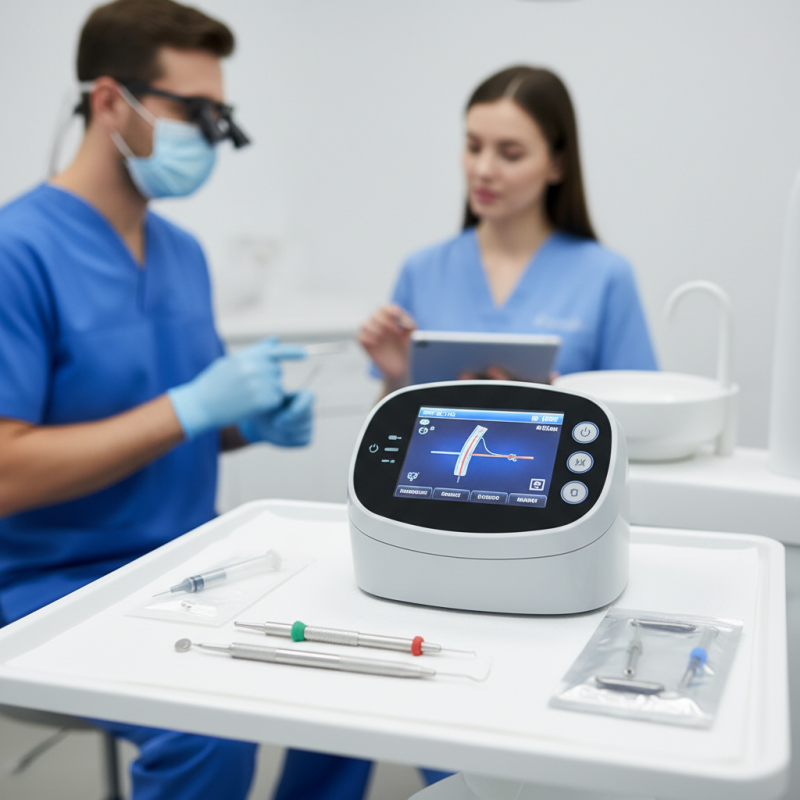
The cost of an apex locator in dentistry can vary widely based on several key components. One significant factor is the technology used in the device. Advanced models employ digital imaging and software integration. According to the Journal of Endodontics, higher accuracy can drive prices up by 20-30%.
Another influential component is the manufacturer's reputation. Established companies often charge more due to their reliability and warranty. A study published in Dental Materials showed that practitioners are willing to pay an extra 15% for trusted brands. This reflects the industry's value placed on quality and customer service.
Lastly, market demand affects pricing. Availability of newer models can lead to reduced prices for older versions. However, some practitioners hesitate to invest in cheaper alternatives, fearing lower precision. Balancing cost with effectiveness remains a challenge.
Top Factors Influencing the Cost of Apex Locator in Dentistry
This chart illustrates the top factors that influence the cost of apex locators in dentistry. The data represents the percentage impact of each factor on the overall pricing, highlighting the importance of technology and brand reputation in determining costs.
Technological Advancements and Their Impact on Apex Locator Cost
Technological advancements have significantly influenced the cost of apex locators in dentistry. Newer models often boast enhanced accuracy and features, which can drive their prices up. The integration of digital technology makes these tools more efficient. However, this comes at a cost. Dentists must weigh the benefits against their budgets.
Innovation plays a crucial role in determining prices. As manufacturers introduce cutting-edge technology, older models may become less expensive. Yet, investing in the latest equipment can improve patient outcomes. That's an important consideration for many practitioners. While it may lead to higher initial costs, it often pays off in the long run.
On the other hand, not every new feature is necessary for all practices. Some dentists prioritize reliability over advanced technology. They may find that simpler models suffice for their needs. This variability in preferences can complicate the cost landscape. It highlights the importance of thoughtful decision-making in selecting the right apex locator. Balancing cost and functionality is essential but often challenging for many in the field.
Brand Reputation and Market Influence on Pricing Strategies
In the dental industry, brand reputation plays a significant role in the cost of apex locators.
Many practitioners tend to prioritize well-known names. These brands often promise higher quality and reliability.
For dentists, investing in a reputable product can feel like a safety net.
However, higher prices do not always guarantee superior performance.
Sometimes, lesser-known brands offer excellent alternatives.
Market dynamics further influence pricing strategies. Demand fluctuates seasonally, impacting pricing.
During busy periods, prices may increase due to the rush for supplies. Conversely, during quieter times,
discounts might emerge. This can create uncertainty for practitioners when selecting devices.
Many dental professionals find themselves balancing cost with perceived value.
An effective apex locator is crucial, yet navigating pricing can be tricky.
Furthermore, industry reviews and professional endorsements can significantly sway decisions.
A single positive review can justify a higher cost. This reliance on reputation may lead to missed opportunities
with alternative products. As the market evolves, new players often emerge, providing innovative solutions
at competitive prices. It challenges the status quo and invites reflection on purchasing habits within the dental community.
Features and Functionalities: How They Alter Apex Locator Prices
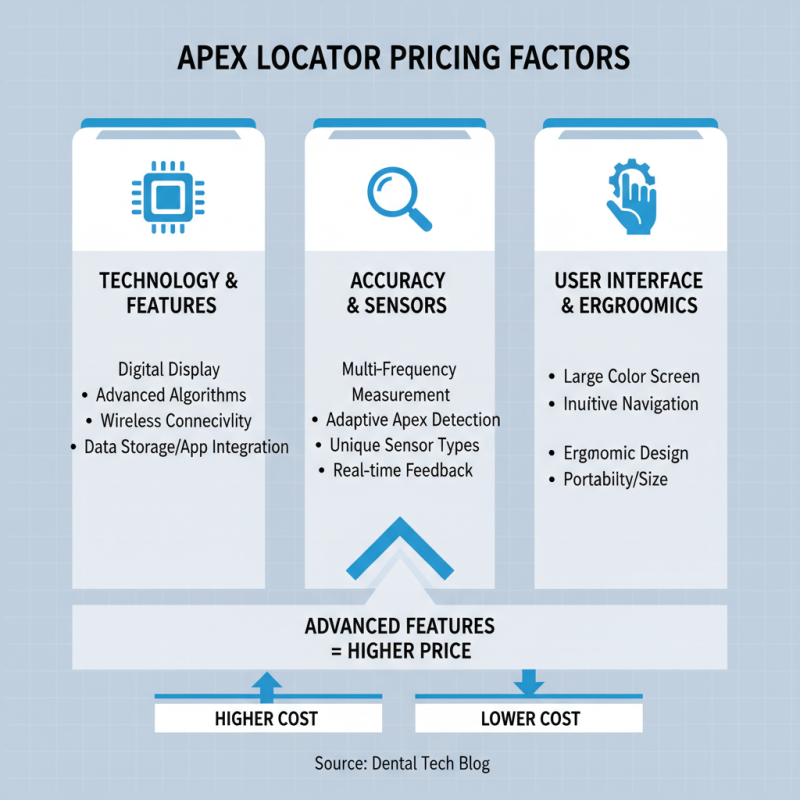
When considering apex locators in dentistry, features significantly impact their pricing. Each model offers different functionalities, influencing costs. For example, devices with advanced technology, like digital displays, may cost more. Accessibility features also vary, affecting user-friendliness. Some apex locators have unique sensors for better accuracy, which can drive up prices.
Additionally, the build quality plays a role. Devices made from durable materials often command higher prices. Compact designs may raise costs too, as they enhance portability for practitioners. However, not all high-end features are necessary for every dental practice. Basic models can effectively provide essential measurements at a fraction of the cost. It's essential for dentists to evaluate their specific needs.
While some may perceive higher price tags as better quality, this isn't always true. Reliability and performance can sometimes be found in budget-friendly options. It’s worth reflecting on how often advanced features will be utilized. Balancing price with functionality can be challenging but essential for smart purchasing decisions.
Market Trends and Demand Fluctuations in Dental Equipment Pricing
The demand for apex locators in dentistry is affected by various factors. Market trends have shown a fluctuating interest in dental technologies. Research indicates that the growth rate of the dental equipment market is around 6% annually. This growth is spurred by advancements in technology and increased dental procedures.
Price fluctuations are common in this sector. Reports suggest that materials used in apex locators directly impact costs. Quality and durability are key considerations for dental professionals. Additionally, region-specific economic conditions can lead to pricing variations. For example, areas with higher disposable incomes often see a spike in premium product demand.
While many clinics upgrade their technology to improve patient care, financial constraints remain a barrier. Some practitioners hesitate to invest heavily in apex locators due to uncertain returns. The need for better market strategies becomes apparent. Balancing cost and quality is essential for sustaining growth in this competitive market.