How to Repair Your Apex Locator Effectively and Efficiently?
Apex locators are vital tools in endodontics, enhancing the precision of root canal treatments. Reports indicate that over 60% of dental practitioners rely on these devices. However, issues arise frequently, prompting the need for apex locator repair. Understanding how to effectively and efficiently repair these devices can significantly impact practice efficiency and patient satisfaction.
The average lifespan of an apex locator is about two years, though many professionals encounter malfunctions sooner. Frequent causes include electrical failures or worn components. Ignoring these problems can lead to inaccurate readings. Practices must reflect on their maintenance protocols and be proactive about repairs.
In a competitive dental market, downtime due to equipment failure is costly. Every day a practice operates without a functioning apex locator could mean lost revenue and decreased trust with patients. Therefore, understanding the intricacies of apex locator repair is essential. Taking the time to learn these skills could greatly improve operational efficiency and ultimately enhance patient outcomes.
Understanding the Components of an Apex Locator for Effective Repair
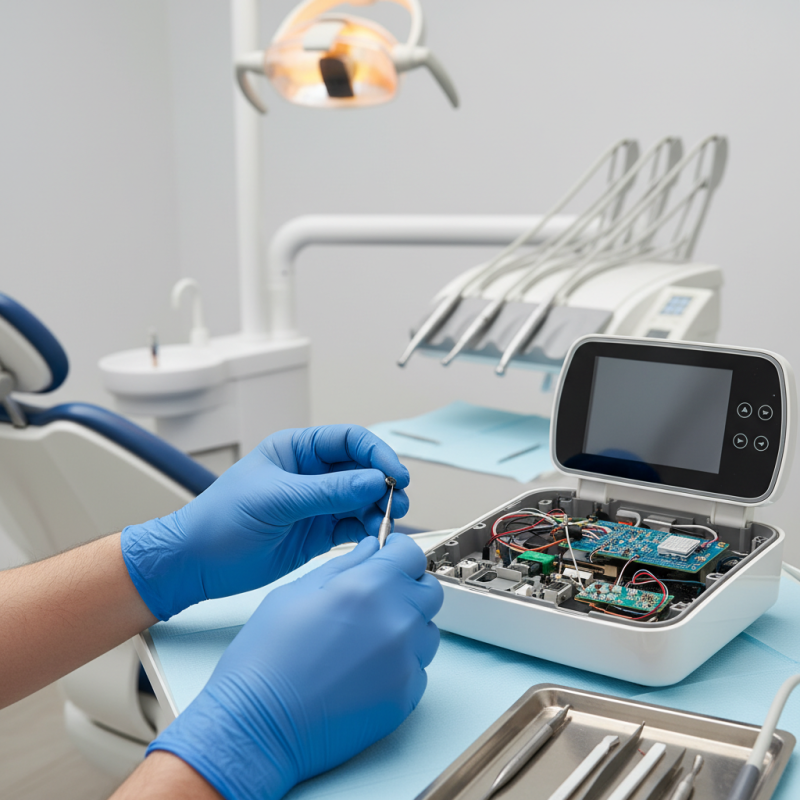
Understanding the components of an apex locator is crucial for effective repair. Apex locators are essential tools for endodontists, providing accurate readings of root canal lengths. Key components include the display, measurement probes, and internal circuitry. Each part plays a significant role in performance and accuracy.
The display serves as the user interface. It shows the distance to the apex. It should be clear and responsive. Measurement probes need to be durable. They withstand repeated use without compromising accuracy. Internal circuitry houses the technology that processes information. This component must be well-protected from damage.
Tips for Repair: Keep your apex locator clean. Regular maintenance can extend its lifespan. Inspect the probes for wear and tear. A worn probe can lead to inaccurate readings. Always handle your instruments carefully, as rough handling may cause internal damage. Not every repair is straightforward. Sometimes, a deeper issue lies within the circuitry, requiring expert knowledge to address. Therefore, understanding the components can save time and money in the long run.
Common Issues Faced by Apex Locators: Diagnosis and Troubleshooting
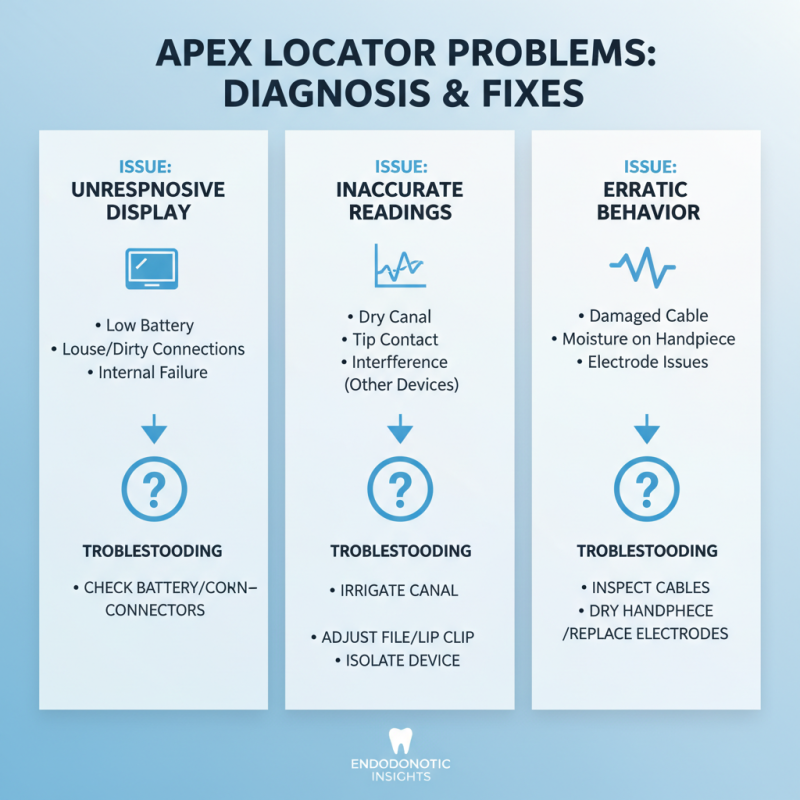
Apex locators are essential tools in endodontics. They help determine the working length of root canals. However, users often encounter several common issues that can disrupt their functionality. An unresponsive display is one of the most frustrating problems. It often signals a low battery or internal failure. Before panicking, check the battery and connectors for dirt or corrosion. These small details can make a big difference.
Another common issue is inaccurate readings. Sometimes, this occurs due to improper placement of the device's tip. Ensure it’s positioned correctly within the canal. Additionally, moisture can interfere with readings. Make sure to keep the area dry and clean while working. If readings continue to fluctuate, the device might need recalibration.
Users may also face issues with connectivity in wireless models. If the connection drops, turn off the device and restart it. Interference from other electronic devices can also be a factor. Conduct a test in a quieter area to see if performance improves. Regular maintenance and cleaning are vital to longevity but often overlooked.
Step-by-Step Guide to Repairing Electrical Faults in Apex Locators
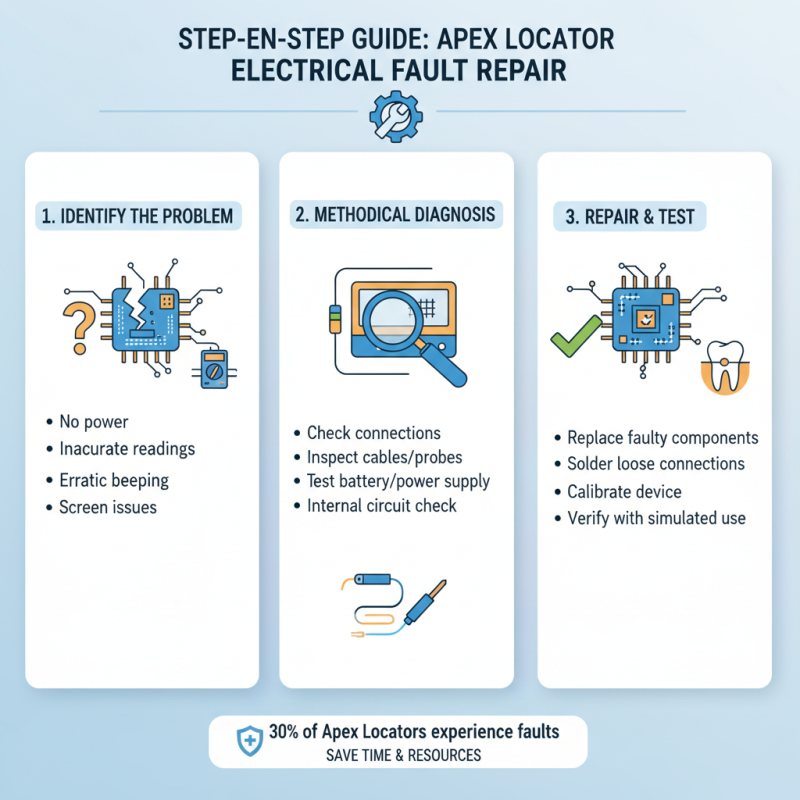
Repairing an apex locator efficiently requires a methodical approach. Electrical faults can manifest in various ways, impacting accuracy and functionality. According to a report by the American Dental Association, nearly 30% of apex locators encounter issues during their lifespan. Identifying these faults early can save time and resources.
Begin by inspecting the device's wiring and connections. Wear and tear can lead to frayed wires, which may cause erratic readings. In one instance, a dentist noted that slight variances in power supply affected the device's performance. Ensuring connections are secure is crucial. Testing each connection with a multimeter can help pinpoint issues effectively.
Next, focus on the battery and power supply. Low battery performance can influence electrical outputs. A study by the International Journal of Dental Science indicated that maintaining optimal battery health is essential for accurate readings. Regularly replacing the battery and cleaning contacts may prevent unexpected failures. Reflecting on past repairs indicates that neglecting these simple checks often leads to bigger problems down the line. Staying vigilant can enhance the longevity of your apex locator.
Essential Tools and Equipment for Efficient Apex Locator Repair
When repairing your apex locator, having the right tools is crucial. Basic tools like screwdrivers and pliers should always be on hand. A multimeter is essential for checking electrical connections. This device can help you identify issues in the circuit. Additionally, using tweezers can facilitate the handling of small components safely.
Don't forget about cleaning supplies; a microfiber cloth can help maintain the device's exterior. If soldering is required, a soldering iron and proper solder are needed. Make sure you have heat shrink tubing to cover soldered joints. It can be challenging to get everything right. Some may find soldering difficult initially. Practice makes it easier. Remember that even small mistakes can lead to significant issues later.
Lastly, a magnifying glass can be invaluable. It allows for better inspection of tiny parts. A good workspace with adequate lighting is also vital. Poor lighting can hide problems that become worse over time. Be honest about your skill level. If unsure, considering seeking professional guidance may save time and frustration.
Repair Time Comparison for Apex Locator Components
Best Practices for Maintaining and Preventing Apex Locator Failures
Apex locators are essential tools in dentistry. Maintaining them prevents failures and ensures accurate readings. Regular cleaning is crucial. Use a soft cloth to wipe down surfaces. Be gentle with connections; they can wear out easily. Check for any signs of corrosion or damage. Small issues can lead to significant problems later.
Battery health matters as well. Replace batteries as needed. A dead battery can disrupt your workflow. It's a good practice to calibrate the device regularly. This ensures it functions accurately. Calibration can seem tedious, but it's necessary for reliable performance. Neglecting it can lead to frustrating errors during procedures.
Consider the environment where you store the apex locator. Humidity and dust can affect its lifespan. Store it in a protective case when not in use. Avoid placing it near heat sources or direct sunlight. This may seem like a trivial detail, but it can make a significant difference. Regular maintenance requires effort, but the results are worth it. Reflect on your habits and strive for improvements.