
China Top 10 Glucosamine Sulfate 2KCl Suppliers?

China’s glucosamine industry has expanded rapidly, creating more choices and more questions. This guide examines China’s Top 10 Glucosamine Sulfate 2kcl Suppliers through practical, evidence-based criteria. Supplier ranking should not depend on polished websites alone. Manufacturing consistency matters more.

Dr. David Felson, a respected osteoarthritis researcher, has stated, “The evidence for glucosamine is mixed.” That caution remains important. Glucosamine Sulfate 2kcl quality can vary by raw-material source, potassium chloride ratio, assay method, moisture level, and storage conditions. A reliable supplier should provide a current Certificate of Analysis, batch traceability, specifications, and suitable testing records. Look for evidence covering heavy metals, microbiological limits, residual solvents, and stability. GMP-related documentation also deserves careful review.

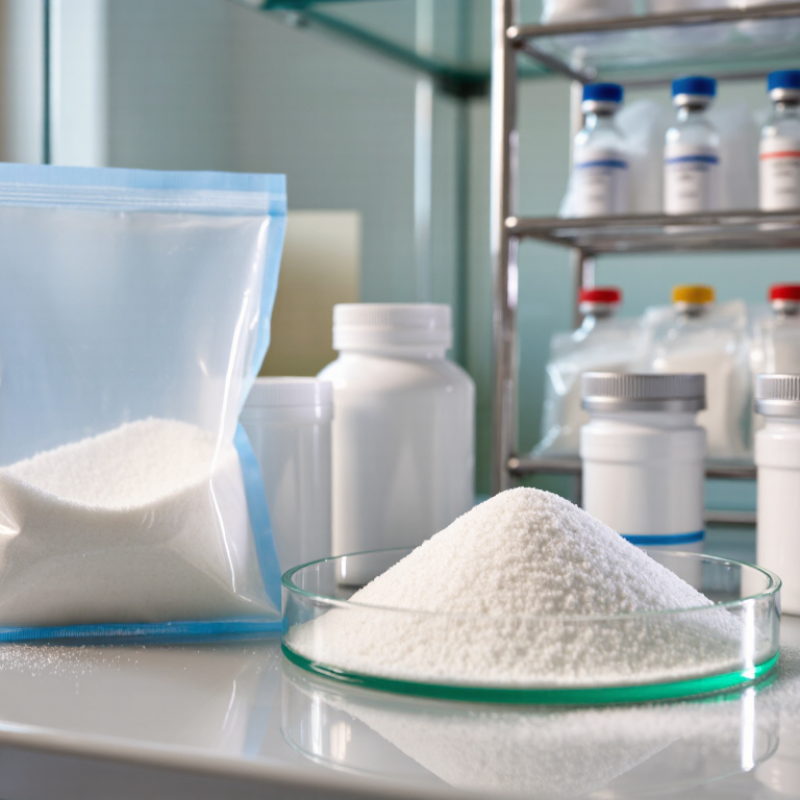
Physical details can reveal useful clues. Powder color should match the approved specification. Packaging should protect the material from humidity during shipping and storage. A supplier that answers technical questions clearly usually inspires more confidence than one offering only a low price. Still, this is not a perfect screening method. Documents may be incomplete, and laboratory results need independent verification. Buyers should request recent samples before making large commitments.

This overview focuses on manufacturers and exporters that demonstrate experience, technical capability, transparent communication, and dependable quality systems. It does not claim that every listed supplier suits every application. Pharmaceutical, nutraceutical, and research buyers may require different standards. Careful comparison is essential. The strongest supplier is not always the largest one, but the one that can repeatedly deliver verified Glucosamine Sulfate 2kcl with consistent documentation and responsive support.
China Top 10 Glucosamine Sulfate 2KCl Suppliers?

What Is Glucosamine Sulfate 2KCl and How Is It Used?

Glucosamine sulfate 2KCl is a stabilized form of glucosamine sulfate used in joint-health supplements. The “2KCl” indicates potassium chloride associated with the salt structure. This form helps maintain product stability during manufacturing and storage. It is commonly supplied as a powder for capsules, tablets, sachets, and blended formulas.

Its main use is supporting cartilage and joint comfort, especially in products designed for adults with occasional stiffness. Research findings are mixed, so it should not be presented as a cure or a guaranteed treatment. Dosage depends on the finished formulation and local regulatory requirements. People with shellfish allergies, kidney concerns, or potassium restrictions should seek professional advice before use. Small details matter.

For buyers comparing Chinese suppliers, a reliable evaluation should include identity testing, assay results, moisture content, microbiological limits, heavy-metal data, and batch traceability. A current certificate of analysis is useful, but it should not be accepted blindly. Independent verification can reveal differences between labeled strength and actual content. Packaging also deserves attention: moisture-resistant bags, clear lot numbers, and controlled storage reduce quality risks. I would not judge a supplier by price alone. A low quotation may hide weak documentation, inconsistent particle size, or unstable delivery schedules. Even experienced buyers can overlook these practical problems.

How to Evaluate China’s Glucosamine Sulfate 2KCl Suppliers

Evaluating China’s Glucosamine Sulfate 2KCl Suppliers

A supplier’s website is only a starting point. Request a current specification, certificate of analysis, and manufacturing address. Check whether the material is genuinely Glucosamine Sulfate 2KCl. The test method should identify both glucosamine and potassium chloride content. Look for assay, moisture, pH, microbiological limits, heavy metals, and residual solvents. HPLC or equivalent validated testing adds useful confidence. However, documents can look perfect. They still need verification.

Ask for samples from a defined production batch, not a specially prepared laboratory sample. Compare the sample’s color, odor, solubility, and analytical results with the specification. Review batch numbers, retest dates, storage conditions, and packaging photographs. A reliable supplier should explain how it controls humidity during packing. Moisture-sensitive powder may arrive caked after a long sea shipment. That detail matters.

Supplier experience also appears in its traceability system. Can it link raw materials, operators, test records, and release decisions to one batch? Request recent audit evidence, quality agreements, and export documents for your destination market. Confirm production capacity through realistic monthly figures, not impressive promises. Speak with the quality manager, not only a sales representative. Communication speed is helpful, but technical accuracy matters more. I would also inspect a facility when possible. Remote audits save time, yet they can miss small but important habits. A good evaluation leaves room for doubt, retesting, and documented corrective action.

China’s Top 10 Glucosamine Sulfate 2KCl Suppliers

China’s top 10 glucosamine sulfate 2KCl suppliers are often judged by more than production volume. Reliable suppliers show stable assay results, clear specifications, and complete batch records. Their facilities should support controlled humidity, hygienic handling, and documented quality procedures.

Look for suppliers that provide recent certificates of analysis, testing methods, and traceability from raw materials to finished powder. Independent laboratory verification can confirm identity, potency, moisture, microbiological limits, and heavy metal levels. Export experience also matters. Skilled teams understand packaging protection, loading conditions, and destination-market documentation.

A careful buyer should request samples from several shortlisted manufacturers. Compare powder appearance, solubility, odor, test results, and response times. Ask how deviations are investigated and how corrective actions are recorded. The best supplier is not always the cheapest.

Not a perfect ranking.

A top-ten list can change as audits, capacities, and quality records develop. Some factories may communicate well but provide weak technical evidence. Others may offer strong manufacturing controls with slower commercial responses. That difference deserves attention. Buyers should review current GMP evidence, audit findings, production capacity, and supply continuity before signing a contract. Clear agreements should define specifications, retesting rules, packaging, storage, and responsibility for nonconforming batches. This practical approach makes China’s leading glucosamine sulfate 2KCl suppliers easier to compare and verify.

Quality Standards, Certifications, and Product Specifications

China’s top glucosamine sulfate 2KCl suppliers should be assessed beyond price and production capacity. A 2024 Grand View Research report projected the global glucosamine market to grow at roughly 5% annually through 2030. That growth increases the need for reliable testing and traceable sourcing. Suppliers should provide ISO 9001, HACCP, GMP, or FSSC 22000 certificates. Certification scope matters. It must cover the actual manufacturing site and product category.

For glucosamine sulfate 2KCl, review the specification carefully. The material commonly lists assay, sulfate content, chloride, potassium, moisture, pH, and heavy metals. Its molecular formula is C12H28K2N2O14S2, with a molecular weight near 566.6 g/mol. Buyers should request HPLC or validated titration results, microbiological data, allergen statements, and a batch-specific certificate of analysis. USP quality guidance emphasizes identity, strength, purity, and composition as essential supplement controls. However, a certificate alone is not proof. Independent verification remains sensible.

Tips: Compare three recent batches, not one. Check whether testing uses current methods. Confirm storage conditions, shelf life, and packaging barriers. Ask for audit records when possible. One detail is often missed: “pharmaceutical grade” can mean different things across markets. Define acceptance limits in the purchase specification, then verify them before shipment.

Glucosamine Sulfate 2KCl: Quality-Control Reference Limits

The chart summarizes commonly published reference points used when evaluating glucosamine sulfate 2KCl materials: assay, loss on drying, solution pH, heavy metals, and total aerobic microbial count. Acceptance criteria may differ by pharmacopoeia, customer specification, market, and product grade; the supplier’s current certificate of analysis should always be verified.

How to Select the Right Supplier for Your Business

China Top 10 Glucosamine Sulfate 2KCl Suppliers: How to Select the Right Supplier for Your Business

Choosing a glucosamine sulfate 2KCl supplier requires more than comparing online rankings or low prices. Ask for a recent certificate of analysis, showing assay, moisture, sulfate content, chloride content, and impurity limits. Check whether each test uses recognized analytical methods. Request batch-specific results, not only a general product specification. Details matter.

Review the supplier’s quality system and production records. Look for appropriate manufacturing controls, traceability, calibrated testing equipment, and documented handling procedures. Independent laboratory testing can verify heavy metals, microbiological quality, and identity. Ask for a small sample from the same production line used for commercial orders. It should arrive in sealed, clearly labeled packaging.

Test communication before signing a contract. Can the supplier explain lead times, minimum order quantities, storage conditions, and export documentation clearly? Confirm packaging protection against moisture, especially during long sea transport. Discuss complaint handling and replacement procedures in writing. A factory audit, virtual or on-site, may reveal useful details that brochures do not show.

A low quote can hide costly delays.

Supplier selection is rarely perfect. Forecasts change, and one sample cannot prove every future batch. Build a second-source plan and schedule periodic testing. I would also compare payment terms, production capacity, and response speed, because reliability includes service after the order. The strongest supplier is not always the cheapest; it is the one that can provide consistent material, transparent evidence, and practical support when conditions change.

China Top 10 Glucosamine Sulfate 2KCl Suppliers? - How to Select the Right Supplier for Your Business

No. Evaluation Dimension Recommended Technical Benchmark Documents or Tests to Request Why It Matters
1 Chemical Identity The material should be identified as glucosamine sulfate 2KCl, commonly referenced by CAS No. 23031-25-6. Current specification sheet, certificate of analysis, infrared identification test, and batch-specific analytical report. Confirms that the supplied material matches the requested salt form rather than another glucosamine derivative.
2 Assay and Purity Use a clearly defined assay range in the purchase specification; many commercial specifications use a target close to 98%–102%, depending on the test method and basis. Validated HPLC or titration method, batch COA, method description, and independent laboratory confirmation for initial qualification. Reduces formulation variation and supports accurate label declaration.
3 Sulfate and Chloride Balance Sulfate and chloride should be controlled according to the approved product specification for the 2KCl salt form. Ion chromatography, titration, or other validated test results showing batch conformity. Helps verify salt composition, stability, and consistency between production lots.
4 Moisture and Physical Form Moisture limit, appearance, color, odor, particle size, and bulk density should be specified before ordering. Loss-on-drying or water-content results, product photographs, sieve analysis, and packaging-condition records. Supports smooth blending, capsule or tablet processing, storage stability, and predictable filling performance.
5 Heavy Metals and Elemental Impurities The supplier should meet the limits required by the destination market and the buyer’s applicable food, supplement, or pharmaceutical standard. ICP-MS or ICP-OES report covering lead, arsenic, cadmium, mercury, and other relevant elements. Protects consumer safety and reduces the risk of import or regulatory rejection.
6 Microbiological Quality Total aerobic microbial count, yeast and mold, and specified pathogens should be controlled against the destination-market requirement. Batch microbiology report, sampling plan, pathogen testing records, and sanitation-control procedures. Important for products intended for oral consumption and for meeting finished-product quality requirements.
7 Manufacturing Quality System Prefer facilities operating under a documented quality system with controlled production, deviation handling, corrective actions, and change control. Quality-system certificate, audit report, site questionnaire, process flow chart, and recent inspection records. Indicates whether the supplier can maintain consistent quality beyond a single successful sample.
8 Traceability and Batch Control Each shipment should have a unique lot number linked to raw materials, production dates, test results, packaging records, and release approval. Example batch record, traceability procedure, retention-sample policy, and recall or complaint-handling procedure. Enables rapid investigation and controlled response if a quality issue occurs.
9 Packaging and Storage Packaging should protect the hygroscopic powder from moisture and contamination; storage conditions and shelf life must be clearly stated. Packaging specification, inner-bag material, outer-container details, storage statement, shelf-life data, and transport recommendations. Helps preserve assay, flowability, appearance, and microbiological quality during international transportation.
10 Export and Commercial Capability The supplier should provide consistent lead times, minimum-order information, sample support, export documents, and clear Incoterms. Pro forma invoice, commercial invoice, packing list, certificate of origin, shipping history, sample policy, and written quotation validity. Improves landed-cost planning and reduces delays during customs clearance and replenishment.

Selection note: Treat the benchmarks above as a supplier-screening framework, not as unverified claims about any individual manufacturer. Final acceptance should be based on a representative sample, a batch-specific certificate of analysis, destination-market requirements, and an appropriate quality agreement.

Leading and shaping the future of endodontics globally is our life’s work.