
Global buyers are asking a practical question: which Wind Flag performs best in real outdoor conditions? The answer depends on exposure, fabric, hardware, and installation quality. A feather flag offers strong visibility in open spaces. Its curved sail moves clearly, even when viewers pass quickly. A teardrop flag creates a compact silhouette and usually handles changing wind directions well. Rectangular flags provide broader branding space, but they can create greater wind resistance.
This market deserves careful interpretation. The Global Wind Energy Council reported 117 gigawatts of new wind power capacity in 2023, showing how rapidly outdoor wind environments are being studied and managed. However, that energy-sector figure does not directly rank promotional flags. It only reinforces one point: wind conditions differ widely by location. A roadside display, beach event, and mountain race need different flag designs.
For buyers, material evidence matters more than attractive catalog photos. Look for solution-dyed polyester, reinforced stitching, flexible fiberglass poles, weighted bases, and replaceable components. ISO 4892 guidance on weathering tests can help evaluate color and material durability, although it does not certify an entire flag system. EN 1991-1-4 offers useful principles for understanding wind actions on structures, but buyers should still request supplier testing details.
There is no perfect flag. Even a well-designed Wind Flag can fail on soft ground, sharp gusts, or poor anchoring. A sensible comparison should examine visibility, wind release, portability, maintenance, and local display requirements. Product rankings can be useful, but field testing remains the more honest measure.
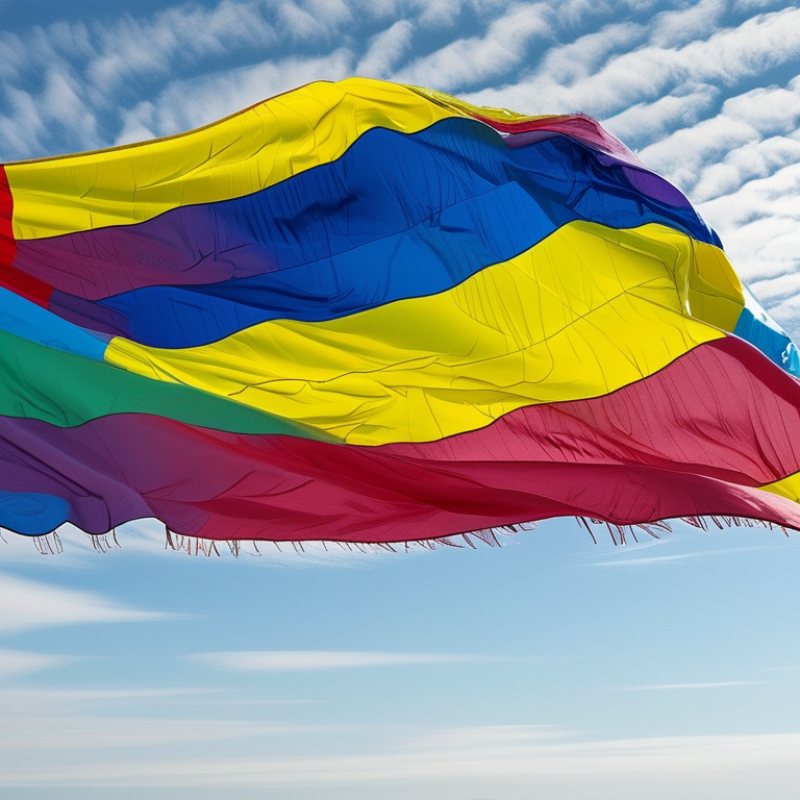
Wind flags are portable fabric signs designed to move visibly in outdoor air. They appear beside roads, at sports grounds, festivals, dealerships, beaches, and trade events. Common formats include feather flags, teardrop flags, rectangular banners, and lightweight pennants. Their flexible poles create motion, helping visitors notice an entrance or information point from a distance.
Global buyers should match each flag type to its setting. Feather flags suit narrow sidewalks because they need limited ground space. Teardrop flags keep their printed surface readable during changing wind directions. Rectangular flags offer more space for short messages, but they can pull harder against the pole. The Met Office’s Beaufort scale places moderate wind around 20–28 km/h, a useful reference when selecting bases and hardware. Actual site conditions can vary.
The Grand View Research outdoor advertising report valued the global market at about 38.9 billion US dollars in 2022. Wind flags represent only a small part of that market, so this figure should not be treated as a product-sales forecast. The Outdoor Advertising Association of America reported US out-of-home advertising revenue of approximately 9.1 billion dollars in 2023. That growth supports continued demand for visible, reusable display tools. Still, buyers should inspect stitching, pole joints, base weight, and UV resistance. A beautiful flag can fail quickly in wet weather. Local wind exposure deserves more attention than catalog photos.
Among global buyers, feather flags remain one of the most popular wind flag types. Their tall, curved shape keeps branding visible while the fabric moves naturally. Retail entrances, outdoor markets, and sports events often use them. Buyers usually prefer lightweight polyester because it dries quickly and travels easily. A strong ground spike also matters on grass or compact soil.
Teardrop flags are another common choice. Their lower curve creates a neat silhouette, even when the wind changes direction. Many buyers select them for roadside promotions, exhibitions, and temporary outdoor signs. Rectangular flutter flags attract attention with a larger printing area. They can display longer messages, but their fabric may flap more aggressively. That movement can reduce readability in strong wind.
I have found that buyers often compare portability with visual impact. Feather flags pack efficiently, while teardrop flags often look more controlled. Beach flags suit sand, pavement, and indoor display when paired with suitable bases. Wind-rated poles and reinforced stitching should be checked carefully. Cheap fittings can fail before the printed fabric does. No single type wins everywhere. Climate, installation time, and viewing distance change the decision. Buyers sometimes focus too much on color and forget maintenance. That is an easy mistake. Clean fabric, replaceable poles, and tested bases usually support longer service. Clear product specifications make international purchasing more reliable.
| Popularity Rank | Wind Flag Type | Typical Shape | Common Buyer Applications | Common Fabric | Main Advantages | Typical Size Range |
|---|---|---|---|---|---|---|
| 1 | Feather Flag | Tall, curved feather profile | Retail entrances, trade shows, outdoor promotions, sports events | Knitted polyester or polyester flag fabric | High visibility, large printable area, effective in light to moderate wind | Approximately 2.5–5.5 m high |
| 2 | Teardrop Flag | Rounded top with a tapered lower section | Exhibitions, hospitality venues, event areas, retail campaigns | Knitted polyester or 110–120 g/m² polyester | Stable shape, two-sided visibility options, compact footprint | Approximately 2.0–5.0 m high |
| 3 | Rectangular Banner Flag | Vertical rectangle attached to a pole | Construction sites, public events, institutional displays, roadside advertising | Woven or knitted polyester | Efficient use of printed space and easy customization | Approximately 1.5–4.0 m high |
| 4 | Sail Flag | Slim, swept-back sail profile | Automotive promotions, shopping areas, outdoor festivals, service businesses | Knitted polyester or lightweight display polyester | Modern appearance, strong vertical visibility, easy branding | Approximately 2.5–5.0 m high |
| 5 | Bow Flag | Curved, bow-like vertical profile | Exhibitions, product launches, retail promotions, community events | Knitted polyester | Good message visibility and a distinctive shape for crowded venues | Approximately 2.0–4.5 m high |
| 6 | Mini and Tabletop Wind Flag | Small rectangular or feather profile | Indoor counters, reception desks, cafés, showroom displays | Polyester, nylon, or laminated display fabric | Portable, space-saving, and suitable for indoor point-of-sale use | Approximately 0.2–1.5 m high |
Note: Popularity rankings reflect common use in international outdoor advertising and event-display procurement. Actual demand varies by climate, application, installation space, fabric specification, and local purchasing standards.
For global buyers, wind flag performance depends less on appearance than on material and construction. Feather, teardrop, and rectangular flags each suit different wind conditions. Feather flags turn easily, reducing pressure on the pole. Teardrop flags keep their message visible when airflow changes. Rectangular flags offer more print space but catch stronger wind loads. Shape matters.
Polyester is widely used because it balances strength, color retention, and cost. Knitted polyester allows wind to pass through its weave, which can reduce stress during gusts. Tightly woven fabric looks sharper, but it may act like a sail. Nylon is lightweight and vivid, although constant sunlight can weaken it faster. Buyers should check fabric weight, UV resistance, water-repellent treatment, and tested tear strength.
Construction details often decide service life. Double-stitched edges resist fraying, while reinforced corners prevent concentrated tearing. A strong pole sleeve should fit smoothly without twisting. Flexible fiberglass poles absorb movement better than rigid poles in changing wind. Ground stakes, cross bases, and water-filled bases suit different surfaces and weather risks. A heavier base is not always safer on soft ground. Poor anchoring can still overturn a well-made flag. Field installers also inspect seams after storms, not only the printed face. One useful lesson is easy to miss: specifications matter, but local wind patterns matter more. Test the complete setup before placing large orders.
How Do Materials and Construction Affect Wind Flag Performance?
Wind-load reference: Dynamic wind pressure is calculated using the standard relationship q = 0.613V², where q is pressure in pascals and V is wind speed in metres per second at standard sea-level air density.
| Flag Type | Common Material | Construction Advantage | Wind Performance Consideration |
|---|---|---|---|
| Teardrop flag | Knitted polyester | Curved profile keeps graphics visible when airflow changes. | Requires reinforced pockets and secure pole fittings. |
| Feather flag | Knitted polyester | Lightweight fabric and flexible pole reduce bending stress. | The tall shape can experience strong leverage at the base. |
| Rectangular banner flag | Woven or knitted polyester | Large printable area and simple edge reinforcement. | A solid rectangular surface generally creates higher drag. |
| Perforated wind flag | Mesh polyester | Open construction allows air to pass through the fabric. | Reduced wind loading, but lower print density and visibility may result. |
Buyer guidance: Knitted polyester is commonly selected for outdoor flags because it is lightweight, flexible and suitable for dye-sublimated graphics. Woven polyester generally offers a firmer hand and stronger dimensional stability. Mesh or perforated construction can reduce aerodynamic loading, while double-stitched hems, reinforced corners, webbing and reliable pole sleeves help distribute stress. The chart shows why wind speed matters: pressure rises with the square of wind speed, so exposure at 20–30 m/s requires substantially stronger fabric, stitching, hardware and anchoring than light-wind use.
Global buyers usually compare feather, teardrop, rectangular, and sail-shaped wind flags. The best choice depends on wind exposure, fabric weight, and display height. According to the Global Wind Energy Council’s Global Wind Report 2024, 117 GW of wind capacity was added worldwide in 2023. More outdoor energy sites mean flags face stronger weather demands and longer service periods.
Buyers should request test evidence, not only attractive samples. ISO 105-B02 measures colour fastness to artificial light, which helps assess fading under sunlight. ISO 13934-1 evaluates textile tensile strength. These tests can reveal weak seams and fabric failure. For flame-sensitive venues, EN 13501-1 classification may be required. Chemical compliance should also follow destination-market rules, including REACH restrictions where applicable. The exact requirement varies by country and venue. That detail is easy to miss.
Tips: Specify wind-speed limits, pole height, fabric weight, seam structure, and replacement-part availability. Ask for test dates and laboratory details. The IRENA Renewable Capacity Statistics 2024 report recorded more than 1,000 GW of global wind capacity, showing the scale of outdoor deployment. Yet capacity data does not predict a flag’s real performance. Local gusts, salt air, dust, and repeated folding matter more than a catalogue claim. A practical weakness remains: there is no universal “wind flag” certificate. Buyers must compare test methods, installation instructions, and field experience carefully.
Global buyers often compare feather, teardrop, and rectangular wind flags. Yet supplier quality matters more than shape. A polished sample can hide weak stitching. Ask for fabric weight, UV resistance, pole material, base options, and tested wind limits. These details affect outdoor performance, shipping costs, and replacement rates. Request a physical sample before approving volume production. Inspect seams, print alignment, pole joints, and base stability. Small flaws become expensive across large orders.
A dependable supplier should provide clear specifications and consistent communication. Request recent material tests, production photos, packaging details, and a realistic delivery schedule. Confirm print colors under outdoor lighting, not only on a screen. Check whether inks and fabrics meet the destination market’s safety and environmental requirements. Ask how damaged goods are handled. Vague answers are warning signs. However, even careful buyers can misjudge seasonal demand. Building a small buffer into the order may reduce urgent shipping, though it increases storage costs. That trade-off needs honest review.
Tips: Compare at least three suppliers using the same specification sheet. Test one flag outdoors for several days. Record fading, noise, pole movement, and base performance. Do not choose only by the lowest price. A cheaper flag may require earlier replacement. Confirm carton dimensions before placing the order. Oversized packaging can quietly increase freight charges. Keep approved samples and written specifications for future inspections. It is not perfect, but it creates useful evidence when quality disputes arise.
DENTSPLY Maillefer - USA
5100 E. Skelly Drive, Suite 300
Tulsa, Oklahoma 74135
DENTSPLY Maillefer - Canada
161 Vinyl Court
Woodbridge, ON L4L 4A3
Toll-free in the U.S.:
1-800-924-7393
Toll-free in Canada:
1-800-263-1437
Toll-free in the U.S.:
1-800-924-7389
Toll-free in Canada:
1-888-336-8775