
5 Best Apex Locator Generation Technologies for Buyers?
Choosing among the five best apex locator generation technologies requires more than comparing product labels. In practice, generation names vary between manufacturers. They may not describe identical functions. A buyer should examine measurement principles, canal performance, software stability, and published validation. The real question is simple: will the device provide a repeatable working-length reading in a narrow, curved, or partly wet canal? That matters beside the dental chair.
This guide considers resistance-based, impedance-based, frequency-dependent, multifrequency, and adaptive technologies. Earlier systems can be understandable and affordable. However, they may respond more strongly to fluid, metal contact, or operator technique. Later systems often process several electrical signals and adjust readings dynamically. More features do not guarantee better treatment. A clear display, dependable clips, easy calibration, and responsive manufacturer support may matter more during a hurried appointment. Small details matter.
Reliable buying decisions should combine clinical experience, peer-reviewed evidence, independent testing, and the intended practice environment. Look for accuracy data near the apical constriction. Check performance under realistic moisture conditions. Review compatibility with files and irrigants. An apex locator supports clinical judgment. It does not replace radiographic assessment, tactile feedback, or proper training. I would also question impressive accuracy percentages when study methods remain unclear. That criticism is fair. Laboratory results may not mirror a bleeding, curved canal. The following comparison presents practical strengths, limitations, and buyer considerations for each apex locator generation technology.
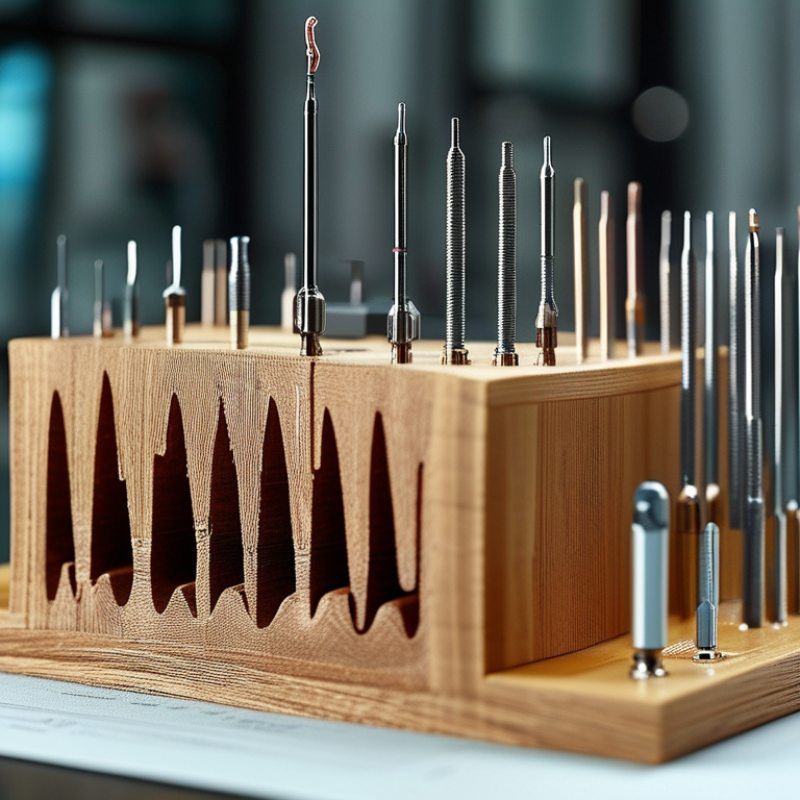
What an Apex Locator Does and Why Its Technology Matters
5 Best Apex Locator Generation Technologies for Buyers?
What an Apex Locator Does and Why Its Technology Matters
An apex locator estimates the file’s position inside a root canal. It helps clinicians approach the working length without relying only on radiographs. Older resistance-based systems were simple, but moisture often affected their readings. Single-frequency impedance models improved control in relatively dry canals. Multi-frequency technology became more dependable around conductive fluids. Adaptive systems measure changing electrical conditions during instrumentation. Smart digital systems may add visual guidance, memory, and treatment records. The newest option is not always the best option.
In real clinical use, canal anatomy remains unpredictable. Curved roots, open apices, resorption, and excess irrigant can challenge any device. A reliable locator should provide stable readings, clear alerts, and easy calibration. It should also recover quickly when the file moves. I have seen clinicians trust a bright screen too much. That is risky. Technology supports judgment; it does not replace tactile feedback, radiographic review, or careful isolation.
Tips
Test the device with your preferred files and irrigants. Check readings in wet and nearly dry conditions. Compare its display with radiographic findings during training cases. Ask about electrode durability, calibration steps, and service support. A lower purchase price may hide higher maintenance costs. Also, consider the user interface. Confusing controls can slow treatment when attention matters most. No apex locator is perfect, and that limitation deserves honest attention.
5 Best Apex Locator Generation Technologies for Buyers? - What an Apex Locator Does and Why Its Technology Matters
| Technology generation | How it works | Main signal or measurement | Performance in clinical conditions | Key advantages | Typical limitations | Buyer suitability |
|---|---|---|---|---|---|---|
| 1st generation Resistance-based |
Determines working length by measuring electrical resistance as the file approaches contact with periodontal tissues. | Direct electrical resistance, commonly associated with a relatively fixed resistance value. | Highly affected by canal contents and conductivity. Accuracy decreases in the presence of irrigants, blood, exudate, or a wide apical opening. | Simple operating principle, straightforward circuitry, and historically important in the development of electronic working-length measurement. | Limited reliability in wet canals and difficult cases; requires relatively controlled canal conditions. | Generally suitable for historical reference or basic training, but not preferred for modern routine clinical purchasing. |
| 2nd generation Single-frequency impedance |
Applies an alternating electrical signal and evaluates impedance changes as the file moves through the canal. | Impedance measured at one principal frequency. | Less dependent on a single resistance value than early systems, but readings can still be influenced by canal electrolytes and conductive fluids. | Improved measurement capability compared with resistance-only designs and relatively simple signal processing. | Single-frequency readings may not sufficiently distinguish different canal conditions, especially when the canal is flooded with conductive irrigant. | Appropriate for cost-sensitive buyers who work mainly in uncomplicated, well-controlled canals. |
| 3rd generation Dual-frequency impedance |
Uses two alternating frequencies and compares the resulting impedance behavior to identify changes in the apical region. | Comparison of impedance values or impedance-related responses at two frequencies. | More resistant to variations in canal moisture than single-frequency systems, although extreme conductivity and unusual anatomy can still affect readings. | Better compensation for irrigant-related electrical changes and improved usability in partially wet canals. | Performance depends on correct lip-clip and file contact, stable connections, and appropriate interpretation of the display. | A practical baseline for general endodontic practices seeking modern electronic working-length measurement. |
| 4th generation Multi-frequency ratio analysis |
Samples impedance at multiple frequencies and uses ratios or mathematical comparisons to reduce the influence of canal contents. | Multi-frequency impedance ratios, phase relationships, and changes associated with file position. | Usually provides more stable readings in the presence of sodium hypochlorite, saline, blood, or other conductive fluids than earlier generations. | Improved tolerance of wet canals, clearer progression toward the apical constriction, and better support for routine clinical workflow. | Does not eliminate measurement errors caused by perforation, open apices, severe resorption, apical transportation, or poor electrical contact. | A strong all-purpose option for general practices, endodontic offices, and clinics handling varied canal conditions. |
| 5th generation Adaptive multi-frequency and algorithm-assisted |
Combines multi-frequency measurements with adaptive signal processing, filtering, calibration, and visual or audible feedback to interpret changing canal conditions. | Dynamic impedance and phase data across several frequencies, processed through device-specific algorithms. | Designed to maintain stable readings across changing moisture levels and clinical conditions, but results still require confirmation with radiographs, tactile sensation, and clinical judgment when indicated. | Advanced handling of variable canal environments, real-time feedback, improved workflow integration, and potential for more consistent readings in complex cases. | Higher purchase cost, greater dependence on calibration and electronics, and no technology can guarantee exact location of the apical constriction in every case. | Best suited to high-volume practices, specialist endodontic workflows, teaching clinics, and buyers prioritizing advanced moisture compensation and usability. |
Related Posts
-
7 Best DentaPort ZX Apex Locator Options for Buyers
-
Cicada Apex Locator Top Choice for Global Buyers?
-
China Best DBA Apex Locator Overview and Comparison Guide?
-
2026 Best Dr Finder Apex Locator Tools for Efficient Dental Procedures?
-
What is the best apex locator to buy for dental use?
-

How to Use an Apex Locator Correctly?