How to Choose Dentaport ZX Apex Locator in 2026?

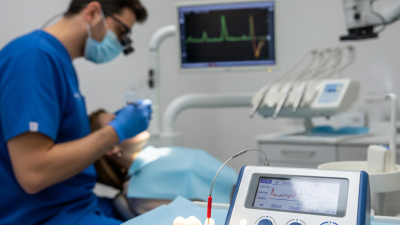
Choosing a dentaport zx apex locator in 2026 requires more than comparing prices or screen designs. Dentaport ZX combines electronic working-length measurement with endodontic treatment functions, so clinicians should assess accuracy, file compatibility, infection-control procedures, and service support. A bright display helps, but it cannot correct poor canal isolation.

Market research shows continued growth in digital dental equipment. Grand View Research reported that the global dental equipment market was valued at more than USD 7 billion in 2023, with digital technologies supporting clinical efficiency. Fortune Business Insights also identified rising adoption of advanced endodontic equipment as a major market trend. These reports describe commercial momentum, not proof that every device suits every canal.

Endodontist Dr. Shimon Friedman has emphasized, “Electronic apex locators are an adjunct, not a replacement, for radiographic assessment.” That principle matters when selecting a dentaport zx apex locator. A reliable device should produce stable readings near the apical constriction, even when the canal contains moisture or irrigant. Still, no locator is infallible. That is the uncomfortable part.

In practice, clinicians should test the unit with their preferred files, confirm readings against radiographs, and review the manufacturer’s instructions. A compact body, visible bar display, and dependable clip connection can matter during a narrow, wet molar canal. The best choice is not always the newest model. It is the system that performs predictably in the operator’s real workflow, with documented maintenance and responsive technical support.
How to Choose Dentaport ZX Apex Locator in 2026?

What Is the Dentaport ZX Apex Locator and How Does It Work?

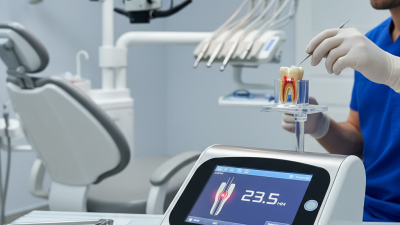
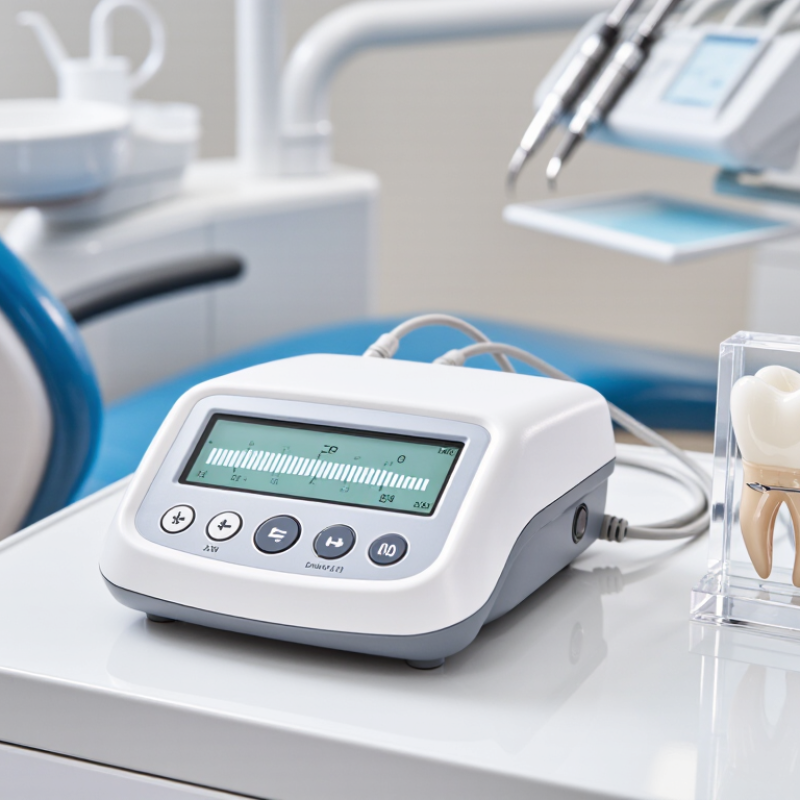
An electronic apex locator estimates the working length of a root canal by detecting changes in electrical impedance. A small file carries a weak, controlled signal through the canal. The device compares that signal with a lip clip circuit. As the file approaches the apical foramen, the readings change noticeably.

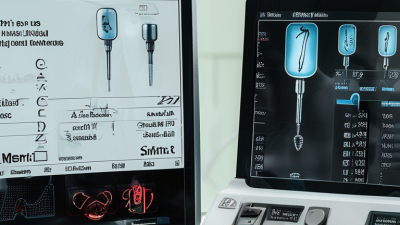
The display usually shows a progress scale and an alert near the estimated endpoint. This helps clinicians avoid pushing instruments beyond the root. However, the reading is not a direct view of the anatomy. Canals may curve, split, or contain unusual fluid conditions. It is not infallible.

Accurate use depends on a stable lip clip, a clean file connection, and careful moisture control. Excessive irrigant can sometimes affect the signal. A dry canal may also produce unstable readings. The clinician should advance the file gently and confirm the measurement with tactile feedback and a radiograph when appropriate.

In 2026, choosing an apex locator should involve more than screen design. Consider measurement stability, file compatibility, battery reliability, and clear alerts. Test the device under realistic clinical conditions. A quick reading is useful, but a questionable reading deserves review. Small errors can change the final preparation length.

Which Clinical Features and Measurement Technologies Does It Offer?

How to Choose an Apex Locator in 2026: Clinical Features and Measurement Technologies

Choosing an apex locator requires more than comparing screens and prices. In 2026, clinicians should examine measurement stability, file detection, and performance in wet canals. Modern devices commonly use multi-frequency impedance analysis. This technology compares electrical responses to estimate the file’s position near the apical constriction.

A 2021 systematic review in the Journal of Endodontics reported that contemporary electronic apex locators often reached 90–97% accuracy within ±0.5 mm. However, testing methods differed between studies. That detail matters.

Look for automatic calibration, clear visual indicators, adjustable audio signals, and readings that remain stable with irrigants. Some systems provide separate measurements for the apical foramen and working-length zone. These functions can reduce guesswork during narrow or curved canal preparation.

Yet no device is infallible. Metallic restorations, open apices, perforations, and excessive fluid may distort readings. The American Association of Endodontists emphasizes combining electronic measurements with radiographic and clinical findings when appropriate. In practice, I would confirm an unexpected reading rather than trust a single number.

Tips: Test the device before treatment. Check the cable, file clip, and lip hook. Keep the canal moist, not flooded. Compare the reading after gentle file repositioning. Record the selected working length.

A 2023 review in the International Endodontic Journal noted that operator technique and canal conditions still influence accuracy. The screen may look confident. The canal may disagree.

How to Assess Accuracy, Usability, and Compatibility in 2026

Choosing an apex locator in 2026 requires more than reading its accuracy claim. Published clinical studies commonly report 80–95% agreement within 0.5 mm, depending on tooth anatomy and testing methods. Reviews in the Journal of Endodontics show that moisture, apical resorption, and open foramina can reduce reliability. Accuracy is conditional. The European Society of Endodontology recommends electronic working-length measurement alongside clinical judgment and radiographic verification. I would not trust a clean screen alone.

Tips: Test the device on a training model first. Check readings in sodium hypochlorite, blood, and a nearly dry canal. Confirm that the file clip grips small instruments firmly. Record whether readings remain stable during file movement. A bright display helps, but sound changes may matter more through a microscope.

Usability should reduce distractions during treatment. Look for simple controls, readable icons, and a stable cable connection. Battery replacement should be practical, not a hidden cost. Compatibility also deserves close attention. Verify file sizes, handpiece connections, disinfectant resistance, and use near other electronic equipment. IEC 60601 safety principles support assessing electrical protection, but they do not prove clinical accuracy. That distinction is often missed. Before purchase, compare ten repeated measurements across different canal conditions. If results vary widely, the problem may involve technique, anatomy, or the device itself. All three deserve review.

How to Choose the Right Dentaport ZX Configuration for Your Practice

How to Choose the Right Dentaport ZX Configuration for Your Practice

Choosing an apex locator configuration should begin with your daily workflow, not its feature list. A solo clinician treating a few canals weekly may need a compact unit, clear screen, stable file clip, and simple calibration. A busy endodontic practice may benefit from rechargeable power, adjustable sound, memory settings, and integration with an electric handpiece. Fewer buttons can reduce chairside errors.

A 2021 systematic review reported that electronic apex locators measured working length within ±0.5 mm in approximately 90% of canals. Results still varied with moisture, anatomy, and file position. The American Association of Endodontists recommends combining electronic measurements with radiographic assessment when appropriate. That matters in retreatment cases, open apices, resorption, or unusual canal shapes. I would not select a configuration only because it includes automatic functions. They can help, but they cannot replace tactile judgment.

Check the practical details under real conditions. Can the screen be read beside a bright operating light? Is the cable long enough for a left-handed operator? Can the unit be disinfected without damaging its controls? Practices with frequent emergency cases may value quick setup more than advanced connectivity. Smaller clinics may prefer replaceable accessories and predictable maintenance costs. No configuration is perfect. I still recommend testing the device on several routine and difficult canals before standardizing it across the practice.

What Maintenance, Safety, and Purchasing Factors Should You Consider?

Choose an apex locator by its maintenance burden, not by screen brightness. In daily endodontic work, dried canals, blood, loose clips, and damaged leads can distort readings. One small crack matters. A 2023 systematic review in the Journal of Endodontics reported roughly 80–95% accuracy within ±0.5 mm, depending on canal conditions. That range is not a promise. Before purchasing, ask for validation data, calibration instructions, warranty terms, and replacement-lead availability. Request evidence of electrical safety testing under IEC 60601-1. Confirm the supplier’s quality system, preferably aligned with ISO 13485.

After each case, inspect the cable, file clip, lip hook, and display for residue or corrosion. Use barriers where appropriate, and never immerse electronic components unless the instructions permit it. CDC’s Summary of Infection Prevention Practices in Dental Settings states that heat-tolerant critical instruments require heat sterilization; detachable accessories must follow their specific processing instructions. Battery care is easy to overlook. Record charging performance and replace unstable batteries before clinical use. Keep a simple maintenance log.

Purchasing decisions should include hands-on testing with wet canals, retreatment cases, and narrow apices. Ask whether readings remain stable near metallic restorations or irrigants. A 2022 report from the World Health Organization identifies untreated oral disease as affecting about 3.5 billion people, increasing pressure for dependable workflows. Still, the cheapest device may become expensive through downtime. I have learned that a perfect reading can still mislead when isolation is poor. Training, documentation, and a realistic return policy deserve equal attention.

How to Choose an Apex Locator in 2026?

Maintenance, safety, and purchasing decisions should begin with verified power compatibility. The chart compares the nominal voltage of common AA battery chemistries used in portable medical devices.

How to use this information: Match the device specification with the correct battery chemistry and voltage. Before purchase, confirm battery availability, charging requirements, leakage protection, cable integrity, electrode condition, cleaning instructions, and the manufacturer’s recommended electrical safety checks. Nominal voltage is a reference value; actual voltage changes during use, so the device manual remains the final authority.

Leading and shaping the future of endodontics globally is our life’s work.