Why Choose Woodpex Apex Locator for Global Dental Buyers?
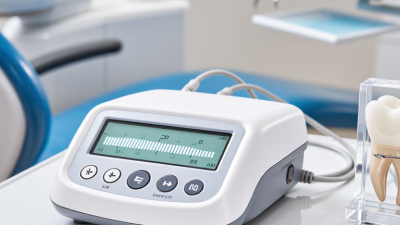
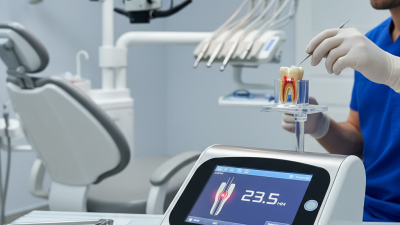
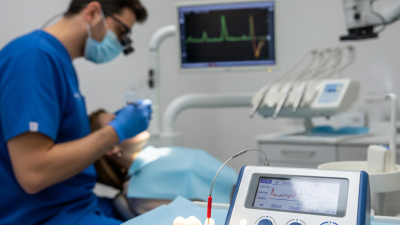
For global dental buyers, choosing an apex locator involves more than comparing prices and specifications. Accuracy, handling, support, and long-term reliability all affect daily endodontic work. The apex locator woodpex is designed for clinicians who need clear working-length information during root canal procedures. Its compact body can fit beside a treatment tray without taking valuable space. A bright display may help clinicians read measurements quickly, even under strong operatory lights. Stable readings can also support more consistent decision-making when canal conditions become difficult.
Clinical experience shows that small details matter. A responsive interface reduces unnecessary adjustments between files. A secure probe connection helps maintain a smoother workflow. Buyers should also review calibration guidance, electrode quality, warranty terms, and available technical support. These details often reveal more than a product photograph. Training remains important, because no electronic device can replace proper radiographic assessment, tactile feedback, and professional judgment. Not every canal behaves predictably.
Woodpex may suit clinics seeking practical equipment for routine and demanding cases. Yet responsible buyers should avoid relying on broad marketing claims alone. They should request technical documentation, verify regional compliance, and confirm whether replacement accessories are easy to obtain. Feedback from experienced endodontic teams can add useful perspective, especially regarding performance in curved, wet, or partially obstructed canals. Some expectations may need adjustment. A device that performs well in one clinic may require a different learning period elsewhere. This honest comparison helps distributors, dentists, and procurement teams choose with greater confidence. Reliable service, transparent information, and continued clinical education make the purchasing decision stronger over time.
Woodpex Apex Locator: Definition and Role in Endodontic Treatment
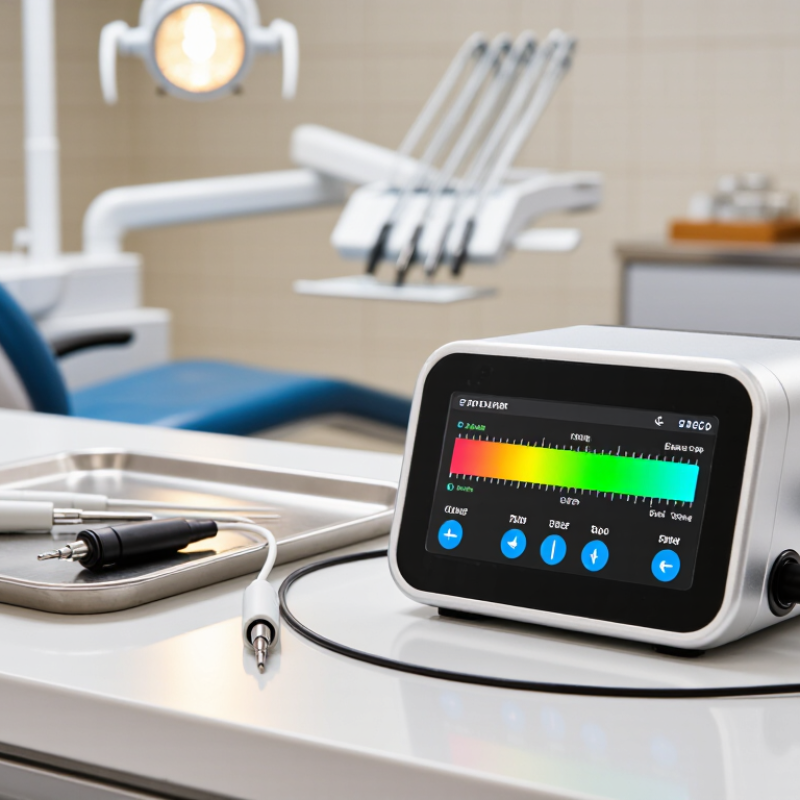
An apex locator is an electronic device used to estimate the working length of a root canal. It measures electrical impedance changes near the apical foramen. This helps clinicians place files more precisely and reduce unnecessary over-instrumentation.
The European Society of Endodontology recommends electronic working-length determination, supported by radiographic verification when appropriate. Published clinical reviews commonly report accuracy within 0.5 mm in roughly 80% to 95% of cases, depending on canal conditions and device design. These figures are useful, but not absolute. Blood, irrigants, open apices, and metallic restorations can affect readings. No device is magic.
For global dental buyers, practical performance matters more than a crowded specification sheet. A clear display, stable readings, simple calibration, and reliable performance in moist canals can improve chairside efficiency. Training remains essential. The World Health Organization’s Global Oral Health Status Report 2022 estimates that oral diseases affect nearly 3.5 billion people worldwide, increasing the need for accessible and dependable endodontic care. Buyers should also check infection-control procedures, battery availability, warranty coverage, and local technical support. A compact unit may look efficient, yet poor handling can create inaccurate measurements. That detail is easy to overlook.
Why Choose a Modern Electronic Apex Locator?
Definition and Role in Endodontic Treatment
An electronic apex locator estimates the position of the file tip in relation to the apical foramen by measuring electrical impedance changes inside the root canal. In routine endodontic treatment, the working length is commonly established near the apical constriction, which is generally located about 0.5–1.0 mm coronal to the major apical foramen. A locator supports working-length control and is normally used together with radiographic and clinical assessment.
How Woodpex Measures Root Canal Working Length
Accurate root canal working length supports safer cleaning and shaping. A modern electronic apex locator estimates the file position inside the canal. It uses electrical resistance and impedance changes near the apical region.
The clinician attaches the lip clip and connects the file holder. The file advances gently through the prepared canal. The display changes as the file approaches the periodontal ligament. Stop at the indicated reference point.
Small details matter. The rubber dam must remain stable, and the canal should not be flooded with conductive irrigant. Excess moisture can disturb the reading. A loose connection may create unstable signals.
The operator records the distance from the file stop to a stable coronal reference point. This measurement guides file selection and instrumentation depth.
Curved canals need extra attention, because file flexing can alter the apparent length. Wide apical openings, resorption, perforations, and unusual anatomy may also reduce accuracy.
Experience still matters.
An electronic reading should be assessed with tactile feedback and, when clinically appropriate, a verification radiograph. No device removes professional judgment. I have seen readings change after canal enlargement or drying, so repeating the measurement is sensible.
The process is efficient, but not infallible. Calibration, maintenance, and clear instructions affect reliability. Dental buyers should examine measurement consistency, display visibility, compatibility with common files, and technical support across different clinical settings. A practical device earns trust through repeatable performance, not impressive claims.
Key Accuracy and Usability Features for Dental Professionals
For global dental buyers, an apex locator should offer dependable accuracy and simple daily handling. In my chairside experience, clear readings reduce repeated file adjustments and help maintain a controlled working length. However, no electronic device replaces clinical judgment. Canal anatomy, moisture, metal restorations, and apical conditions can affect measurements.
Accuracy becomes more useful when the display is easy to read during treatment. A stable signal, visible progression, and an audible alert can support faster decisions, especially in a dim operatory. The handpiece should feel balanced, and the file clip must connect securely without interrupting treatment. Battery access also matters. Small frustrations become significant during a full clinical schedule. I have found that even accurate equipment can be underused when setup feels complicated.
Tips: Keep the canal moist, but avoid excessive irrigant pooling. Confirm the file size and connection before measuring. Compare electronic readings with tactile feedback and radiographic evidence when appropriate. Follow the device instructions and document unusual readings. A short training session can reveal handling mistakes that seem like device faults. Rechecking is worthwhile. Some cases remain unpredictable, particularly with open apices, resorption, or unusual canal shapes.
How to Evaluate Woodpex for Different Dental Practice Needs
Choosing an Apex Locator for Different Dental Practice Needs
Evaluating an apex locator requires more than reading accuracy claims. Match the device to your daily treatment environment. A busy clinic may value fast readings, simple controls, and a clear screen. A smaller practice may prioritize portability, battery life, and low maintenance costs. Check how the device performs in canals with moisture, blood, or irregular anatomy. Clinical experience shows that no electronic measurement is perfect in every case.
Tips: Test the locator with your preferred files and irrigation routine. Compare its readings with radiographs during actual cases. Ask whether the display remains visible under strong operatory lights. Review calibration procedures, electrode durability, and replacement availability. Staff should complete hands-on training before independent use. Keep a written cleaning and inspection routine.
Look for stable readings rather than impressive numbers alone. A reliable locator should respond smoothly as the file approaches the working length. Sudden changes may require a second measurement or a different file position. Record unusual results and discuss them during case reviews. This habit supports better clinical judgment and more consistent training. It also exposes weaknesses in your workflow. Some practices may discover that screen placement, cable movement, or rushed isolation affects performance. That is not a device failure by itself. It deserves careful reflection. Evaluate evidence from experienced clinicians, published research, and your own documented cases before making a purchasing decision.