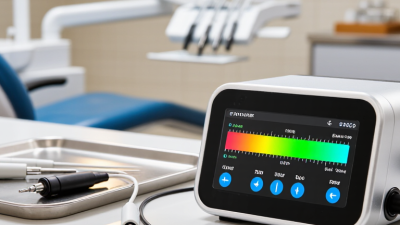
China Top 10 Apical Locator Manufacturers for Global Buyers?

Choosing among China’s top 10 apical locator manufacturers requires more than comparing prices or product photographs. Global buyers need evidence of measurement stability, manufacturing consistency, user training, and responsive technical support. In a clinical room, a reliable device should provide a clear reading beside a small endodontic file, even when moisture, blood, or complex canal anatomy creates uncertainty.

Endodontic educator Dr. John I. Ingle stated, “The electronic apex locator is an aid, not a substitute for clinical judgment.” This principle remains important when evaluating every apical locator supplier. A manufacturer may present impressive accuracy claims, yet buyers should examine test methods, operating instructions, calibration procedures, and post-market feedback. Independent verification matters. So does practical experience.

This guide reviews ten China-based manufacturers from a global purchasing perspective. It considers product design, display readability, measurement algorithms, battery performance, quality management, export experience, and distributor support. Certifications can strengthen confidence, but they do not automatically prove clinical performance. That distinction is easy to miss.

Some suppliers excel in customization. Others focus on stable mass production or economical private-label programs. Not every company fits every market. A hospital buyer may prioritize documentation and service life, while a dental distributor may need packaging flexibility and fast replacement support. The ranking should therefore be treated as a starting point, not a final verdict. Buyers still need samples, technical questions, and controlled clinical evaluation before committing to volume orders. Even careful comparisons can contain gaps. That is why transparent evidence matters most.
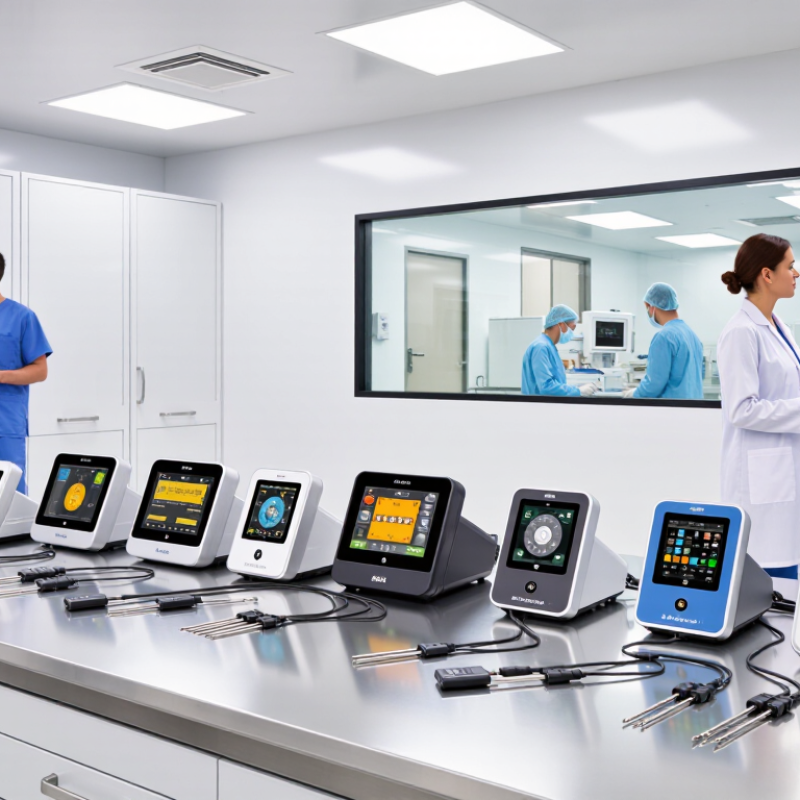
China Top 10 Apical Locator Manufacturers for Global Buyers?

What Is an Apical Locator and Why Does It Matter?

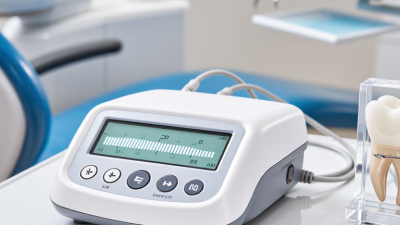
An apical locator is an electronic device used during root canal treatment. It helps estimate the file’s position inside a tooth. The target is usually close to the apical foramen, where the canal approaches the root tip. Working length matters because cleaning and filling depend on it. A file that stops too early may leave infected tissue behind. One that passes too far can irritate surrounding tissues.

The device measures electrical changes between the file and oral tissues. Modern multi-frequency systems can perform well in moist canals, but they are not magic. A clinician still needs proper isolation, a stable file clip, and an unobstructed canal. Blood, excessive irrigant, metal restorations, and unusual anatomy may affect readings. Experienced users compare the electronic result with tactile feedback and radiographic evidence when necessary. That extra check may feel slower, yet it can prevent a costly retreatment.

For global buyers comparing Chinese manufacturers, technical claims should be tested, not simply repeated. Ask for accuracy data, operating instructions, calibration details, and evidence from controlled evaluations. Check whether the supplier explains performance in dry, wet, and curved canals. After-sales training also matters, especially when users work with different tooth anatomies. A bright screen is useful. Reliable measurements matter more. Some specifications may look impressive but remain unclear without test conditions, sample sizes, and error ranges. Careful buyers should examine those gaps before placing large orders.

Key Factors for Evaluating Chinese Apical Locator Manufacturers

When evaluating Chinese apical locator manufacturers, global buyers should look beyond catalog claims and factory photographs. Start with documented quality systems, such as ISO 13485 certification, but verify the certificate’s scope and validity. Confirm whether the manufacturer controls design, assembly, testing, and post-market support internally.

Technical performance needs practical evidence. Ask for accuracy data from different canal conditions, including wet environments, narrow canals, and irregular apical anatomy. Request test methods, sample sizes, and acceptance limits. A single laboratory result is not enough. It may not represent daily clinical use. Check measurement stability, calibration procedures, battery performance, display readability, and resistance to routine disinfection. Electromagnetic compatibility testing and electrical safety records also deserve careful review.

Reliable manufacturers should provide traceable serial numbers, inspection records, user manuals, and controlled software updates. Ask how complaints are investigated and how replacement parts are supplied. Response time matters when equipment is used in several countries. I have learned that a polished factory tour can still leave unanswered questions. My evaluation may also be imperfect, especially when technical documents use unfamiliar terminology. Independent sample testing can expose these gaps. Compare production samples with approved specifications, not only with sales samples. Before placing a large order, review labeling, warranty terms, training materials, and applicable market requirements with qualified regulatory professionals.

Key Factors for Evaluating Chinese Apical Locator Manufacturers

Recommended procurement weighting for global buyers, expressed as a percentage of the total evaluation score.

Measurement accuracy and repeatability receive the highest weighting because they directly affect working-length determination and clinical consistency. Regulatory documentation, usability, technical support, OEM capability, and delivery reliability are also important when comparing Chinese manufacturers for international procurement.

China’s Top 10 Apical Locator Manufacturers for Global Buyers

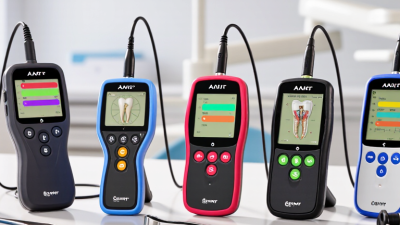
China’s Top 10 Apical Locator Manufacturers for Global Buyers should be evaluated through evidence, not attractive catalogs. Leading suppliers typically offer stable working-length readings, clear color screens, compact handpieces, and dependable battery performance. Buyers should examine production experience, quality-control procedures, calibration records, and technical support before making a decision. A strong manufacturer can explain accuracy testing in dry and simulated canal conditions. It should also provide traceable product documents and consistent sample performance.

The best candidates usually support private labeling, multilingual manuals, export packaging, and responsive after-sales service. Ask for details about electrode durability, file compatibility, charging cycles, and replacement parts. Regulatory documentation must match the destination market. Do not rely on one demonstration unit. We learned this can be misleading. A device may perform well in a showroom but respond differently after repeated sterilization or transport. Request several samples and compare readings under the same conditions. Check twice.

Tips: Create a scoring sheet before contacting suppliers. Include measurement stability, test reports, warranty length, response time, minimum order quantity, and delivery terms. Record every answer in writing. Factory audits, video inspections, and independent technical reviews can improve confidence, although they cannot replace clinical evaluation. Leave room for uncertainty. Even a capable supplier may need product updates, clearer instructions, or better training materials before serving demanding global buyers.

China’s Top 10 Apical Locator Manufacturers for Global Buyers

No. Evaluation Dimension Fact Relevant to Global Buyers Evidence to Request Buyer Assessment Point
1 Quality Management System ISO 13485 is the internationally recognized quality-management standard specifically intended for medical-device organizations. A current ISO 13485 certificate, certificate scope, issuing body, validity dates, and manufacturing-site address. Confirm that the certificate covers the apical locator product category and the actual production site.
2 Regulatory Classification An electronic apex locator is a medical device, and regulatory requirements vary according to the destination market and intended use. Declaration of conformity, device classification, registration records, and market-specific authorization documents. Check whether approval applies to the exact model, accessories, intended use, and target country.
3 Measurement Technology Modern electronic apex locators generally use electrical impedance or multi-frequency measurement methods to estimate file position in the root canal. Technical description of the measuring principle, electrode configuration, and operating limitations. Prefer documented performance across dry, wet, saline, blood-contaminated, and irrigant-containing canal conditions.
4 Accuracy Validation Accuracy is affected by canal anatomy, apical foramen size, moisture, file position, and measurement conditions; no single accuracy figure applies to every case. Independent laboratory reports, test protocols, sample size, reference method, and confidence intervals. Do not rely only on promotional percentages; compare results obtained under clinically relevant conditions.
5 Electrical Safety Medical electrical equipment is commonly evaluated against IEC 60601-1 for basic safety and essential performance, where applicable. Electrical-safety test report, applicable standards list, power-supply specifications, and leakage-current results. Verify that the tested configuration matches the supplied charger, battery, cables, and accessories.
6 Electromagnetic Compatibility IEC 60601-1-2 addresses electromagnetic compatibility for applicable medical electrical equipment, including immunity and emissions testing. EMC test report, laboratory accreditation, test configuration, and pass/fail results. Assess stable operation near dental chairs, curing lights, ultrasonic devices, and other clinical equipment.
7 Biocompatibility and Materials Patient-contacting or mucosa-contacting components require a biological safety assessment appropriate to the type and duration of contact. Material declarations, biological evaluation, relevant ISO 10993 testing, and cleaning instructions. Confirm that the file clip, lip hook, probe, and other patient-contact parts are covered.
8 Infection-Control Design Reusable dental accessories must have validated cleaning, disinfection, or sterilization instructions compatible with their materials and design. Reprocessing validation, maximum reuse cycles, sterilization parameters, and replacement-part guidance. Favor detachable accessories with clear reprocessing instructions and traceable replacement availability.
9 Manufacturing and Customization Capability Global buyers may require private-label packaging, multilingual labeling, region-specific documentation, and customized accessories. Production-capacity statement, quality-control flow, minimum order quantity, lead time, and customization samples. Evaluate whether customization changes trigger new verification, labeling, or regulatory obligations.
10 After-Sales and Supply Continuity Product availability depends on spare accessories, battery support, software or firmware control, warranty service, and complaint handling. Warranty terms, service-level agreement, spare-parts list, complaint procedure, and product-change notification process. Select suppliers able to provide consistent documentation and replacement parts throughout the expected product life.

Buyer note: The table uses neutral evaluation criteria rather than displaying company or brand names. Regulatory status, test results, certifications, and product specifications should be verified for the exact model and destination market before purchase.

Product Standards, Certifications, and Export Capabilities

For global buyers comparing China’s top ten apical locator manufacturers, compliance should come before price.

The WHO Global Oral Health Status Report 2022 estimates that nearly 3.5 billion people live with oral diseases. That scale increases demand for dependable endodontic equipment, not merely attractive specifications.

A credible manufacturer should provide ISO 13485 certification, electrical safety testing under IEC 60601-1, and biocompatibility evidence where patient-contact materials apply.

Ask for accuracy data across dry canals, blood, saline, and retreatment conditions. Request calibration procedures, software version records, and sample test reports.

A certificate alone proves little. It may only confirm a management system.

Export readiness requires more than a carton and an invoice.

Buyers should verify product registration pathways, declarations of conformity, labeling, UDI details, warranty terms, and complaint-response procedures.

CE marking requirements depend on the applicable European rules, while United States distribution may require FDA clearance or another valid pathway.

The World Bank’s 2023 Logistics Performance Index also shows why shipping capability matters; customs efficiency and tracking affect delivery reliability.

Check export references, spare-electrode availability, multilingual manuals, and batch traceability.

I would still test samples independently. Supplier websites can look polished, yet clinical performance may vary between production batches.

How Global Buyers Can Select the Right Chinese Supplier

China Top 10 Apical Locator Manufacturers for Global Buyers?

How Global Buyers Can Select the Right Chinese Supplier

Choosing an apical locator supplier requires more than comparing online prices. Review the device’s measurement accuracy, working modes, display visibility, battery performance, and resistance to moisture. Ask for calibration records and test data from recent production batches. A polished brochure proves little.

Reliable suppliers should explain their quality system clearly. Check whether the factory maintains applicable medical-device certifications and supports the registrations required in your target markets. Request production samples, inspection reports, material records, and serial-number traceability. A remote factory tour helps, but an independent audit offers stronger evidence. Small details matter.

Test the sample in realistic conditions, including different canal shapes and moisture levels. Compare readings with an established reference device, not only the supplier’s internal claims. Review software-update procedures, warranty terms, spare-part access, and technical response times. Ask how defects are investigated and documented. Good answers are specific.

Price can still mislead. A lower quotation may hide weak calibration control, inconsistent assembly, or expensive after-sales support. However, a higher price does not automatically guarantee better performance. This is where buyers must reflect. Our evaluation checklist may also miss problems that appear after six months of use. Start with a controlled trial order, define acceptance criteria, and monitor field feedback before expanding cooperation. Clear communication in English, stable lead times, and honest disclosure of limitations often reveal more than impressive factory presentations.

Leading and shaping the future of endodontics globally is our life’s work.