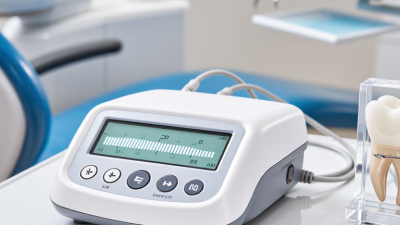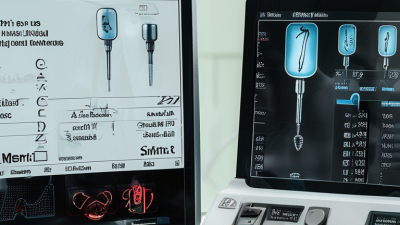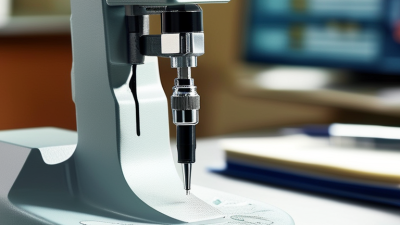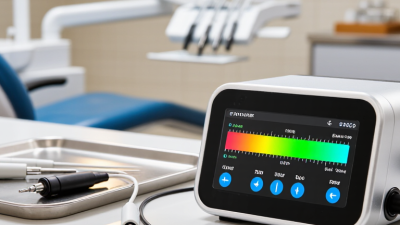
China’s digital apex locator industry has grown through specialized medical-device manufacturing and steady clinical feedback. Major digital apex locator manufacturers in China often combine electronic design, precision assembly, and dental research.
Their facilities may include calibration rooms, aging-test stations, and controlled production areas. Technicians inspect probes, cables, screens, and signal stability before shipment. Small details matter.
Experienced manufacturers focus on measurement consistency, not only attractive casing design. They test devices in different canal conditions and compare readings with reference measurements.
Many maintain quality systems aligned with international medical-device requirements. Some provide traceable inspection records and batch-level testing reports. Others offer limited technical documentation. That difference deserves attention.
International buyers should review production experience, verification methods, and after-sales response before selecting a supplier. Factory audits can reveal whether testing is routine or performed only for demonstrations.
Buyers should also request sample units and compare readings across repeated procedures. Training materials can improve correct clinical use, especially for new operators.
Some manufacturers respond quickly to technical questions. Others need several days. That is not always a failure, but it deserves explanation.
A reliable manufacturer should discuss limitations openly, including readings affected by moisture, anatomy, or unstable contact.
No device replaces professional judgment.
Feedback from dentists can still expose practical weaknesses that laboratory tests miss.